

Why do I keep getting UTIs? Bacteria survive inside your bladder wall. Or they enter again from your skin. Common causes include bacterial biofilms and low estrogen levels. Friction from sex and trapped urine also play major roles. When antibiotics fail, a board-certified gynecologist finds the true physical cause. Then they build a plan to stop future infections.
You finish your antibiotics. Soon, ten days pass. The painful burning returns. At the same time, pelvic pressure builds fast. The urge to pee interrupts your day. You visit urgent care clinics. Next, you drink gallons of water. Even strict hygiene habits fail to stop the pain. Still, the burning cycle repeats.
Indeed, taking round after round of antibiotics wears you down. Many women start dreading sex. Others worry their immune system has failed. Meanwhile, many feel dismissed by quick clinic visits. In fact, repeat bladder infections point to physical, hormonal, or microbial causes. Quick pill packs clear acute pain. Yet they leave deeper triggers untreated.
Breaking this cycle takes proven medical care. You need clear lab testing. Specifically, targeted care clears surviving germs. It restores your natural pelvic defenses.
What Clinically Defines a Recurrent UTI?
First, a recurrent UTI is an official medical diagnosis. ACOG guidelines define it clearly. You need two culture-proven infections within six months. Or you need three infections in one year.
In particular, each episode needs a clean urine culture test. Pain alone does not prove active germs. For example, other pelvic conditions irritate your bladder without any bacteria present.
Doctors divide repeat bladder infections into two clear groups.
- Simple infections happen in healthy women. They occur with normal bladder anatomy.
- Complex infections involve kidney stones or physical blockages. They can happen during pregnancy or with diabetes.
Keep a log of your symptoms, dates, and culture sheets. Then share these records with your doctor. This helps pinpoint your personal risk factors.
Relapse vs. Reinfection: Why Does the Infection Return?
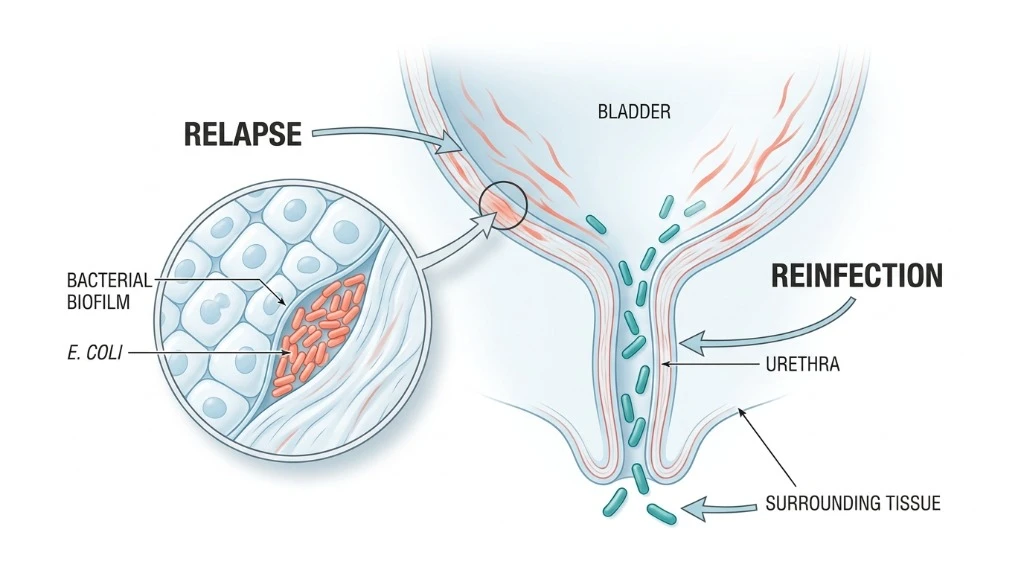
Clinically, doctors divide repeat bladder infections into relapses and reinfections. Knowing your exact type guides your care.
A relapse means original bacteria survived your antibiotic pills. Pain returns within two weeks of finishing medication. Specifically, bladder E. coli germs dig into bladder lining cells. They hide inside safe clusters called intracellular bacterial communities. They also build slime shields called biofilms. These shields block standard pills. When antibiotics stop, dormant germs wake up. They spark a fresh infection.
A reinfection means new bacteria enter your urinary tract from outside. Reinfections cause over eighty percent of repeat cases. Usually, bacteria travel from your bowel or skin. They climb up your short urethra into your bladder. This occurs weeks or months after your last infection cleared.
| Clinical Feature | UTI Relapse | UTI Reinfection |
|---|---|---|
| Causative Strain | Same bacterial strain as prior episode. | New bacterial strain or different species. |
| Recurrence Timing | Returns within 1 to 2 weeks of finishing pills. | Returns several weeks or months later. |
| Root Mechanism | Intracellular bladder biofilms or renal calculi. | Bacteria climb urethra from gut or perineum. |
| Targeted Treatment | Extended sensitivity courses and imaging. | Vaginal estrogen, hygiene shifts, and prevention. |
Four physical factors drive these repeat infections.
- First, female anatomy features a short four-centimeter urethra. It sits close to the vagina and rectum. This short path lets surface bacteria enter the bladder quickly.
- Second, bacteria use hair-like fibers called type 1 pili with FimH tips. These tips hook firmly onto bladder wall proteins. Normal urine flow cannot wash them away.
- Frequent antibiotic use creates drug-resistant bacteria. Broad-spectrum pills also wipe out friendly gut and vaginal bacteria. This loss gives aggressive germs space to multiply.
- Finally, short pill rounds leave live germs behind. Bacteria hide inside bladder tissue folds.
Why Do UTIs Happen Frequently After Sex?
UTIs happen after sex because physical motion moves skin germs toward your urethra. Doctors call this post-coital cystitis.
During sex, physical friction pushes skin germs into your urethra. Germs attach to your bladder wall within hours. Then they grow fast.
Take these practical steps to protect your bladder after sex.
- First, urinate within fifteen minutes after sex. Urination flushes out loose bacteria before they bind to tissue cells.
- Avoid spermicides containing nonoxynol-9. These chemicals kill friendly vaginal Lactobacillus bacteria. They raise tissue pH. Choose plain lubricated condoms or different birth control options.
- In addition, apply water-based or silicone lubricants before sex. Friction creates tiny tears in urethral skin. These small cuts invite bacteria to attach.
- Finally, ask your doctor about post-coital antibiotic prevention. Take one low-dose pill like nitrofurantoin right after sex. This single dose stops bacterial growth. It prevents infections without daily pills.
The Hormonal Factor: Perimenopause, Estrogen Loss, and Bladder Defense

Estrogen drops during perimenopause and menopause. This loss weakens your bladder defenses. Read our guide on seeing a perimenopause specialist in NYC and Brooklyn for early signs. Pelvic and urinary tissues change quickly.
Specifically, doctors call this Genitourinary Syndrome of Menopause (GSM). In younger years, estrogen helps vaginal cells make glycogen. Friendly Lactobacillus bacteria feed on glycogen. They make protective lactic acid. This keeps vaginal pH acidic between 3.8 and 4.5. Harmful bacteria cannot grow in this acid zone.
The Menopausal Urobiome Shift
When estrogen drops, vaginal tissues thin out. Protective lactobacilli die off. Vaginal pH rises above 5.0. Gut bacteria like E. coli move in. Then they climb up into the bladder.
Oral antibiotics cannot fix thin vaginal tissue. Pills clear active germs. Yet fragile tissue stays open to new attacks. Medical guidelines recommend low-dose vaginal estrogen as the best treatment. Explore proven menopause treatment options in NYC to protect long-term tissue health.
In contrast, topical estrogen cream applies gentle estradiol directly to pelvic tissues. This care restores tissue thickness and healthy acid levels. Friendly lactobacilli return to guard your bladder. The cream barely enters your bloodstream. It provides safe, strong defense against repeat infections.
Why Do I Have UTI Symptoms If My Urine Culture Is Negative?
You can feel severe UTI pain even when lab tests show negative results. For instance, tight pelvic floor muscles cause burning. Bladder wall swelling or hidden germs trigger the same pain. A negative test never means your pain is in your head.
Standard urine cultures have clear limits. Specifically, hospital labs use 24-hour agar plates. They look only for common bacteria above 100,000 colony units per milliliter. If an infection has lower germ counts or slow-growing species, lab reports show no growth.
When tests show negative results while pain continues, your doctor checks four common causes.
- Pelvic floor muscle spasms irritate the bladder neck and compress local nerves. This muscle tension causes burning and urinary urgency. Spastic muscles also prevent complete bladder emptying. This traps old urine inside the bladder.
- Second, interstitial cystitis breaks down the bladder mucus coat. Urine acids irritate raw nerves and muscles directly. This triggers chronic pelvic pain. Symptoms flare after acidic foods, spicy meals, or emotional stress.
- Third, atypical microbes like Ureaplasma and Mycoplasma escape detection on standard agar plates. These tiny germs require DNA PCR swab tests. They cause persistent urethral burning that standard antibiotics fail to cure.
- Finally, vaginal yeast, bacterial vaginosis, or skin dermatitis cause burning. Review what happens during comprehensive STD and vaginitis testing to rule out co-infections. Pain flares whenever acidic urine touches irritated skin.
When to See an OBGYN Instead of Urgent Care for Recurrent UTIs
Therefore, see a board-certified gynecologist if you have two or more UTIs in six months. Walk-in clinics treat single acute infections well. Yet they lack tools to treat chronic pelvic problems.
Urgent care doctors rarely review your past health records. Instead, they rely on quick dipsticks. Then they give short antibiotic packs without waiting for lab sensitivities. This practice fuels drug resistance. When burning returns, another clinic gives a different pill. This cycle harms your gut and vaginal microbiome.
At East Coast OBGYN in Brooklyn and Manhattan, Dr. Mark Vaynkhadler, MD, FACOG conducts thorough pelvic, hormonal, and bladder exams during an annual gynecological exam in Brooklyn to uncover your true triggers.
- Run lab urinalysis and extended cultures. These tests pinpoint exact bacterial counts and drug sensitivity profiles.
- Second, check pelvic floor muscle tone. We look for trigger points, muscle spasms, and incomplete bladder emptying.
- Third, examine pelvic tissues carefully. We check for organ prolapse, urethral irritation, and low estrogen.
- Next, run PCR swab tests for hidden germs. We test for Ureaplasma and Mycoplasma.
- Finally, use bladder ultrasound to measure post-void urine. This test rules out trapped urine.
Red Flag Symptoms Requiring Immediate Medical Care
Seek urgent medical care if your urinary pain strikes with a fever over 100.4°F (38°C), chills, nausea, stomach upset, or deep back pain. These warning signs mean bacteria reached your kidneys. Doctors call this acute pyelonephritis. Kidney infections need immediate medical care to protect your kidneys.
Schedule an exam through our gynecological care services in Brooklyn and Manhattan. Break free from repeat antibiotic rounds. You can also reach our team on our appointment scheduling page.
Evidence-Based Medical Strategies to Break the Cycle
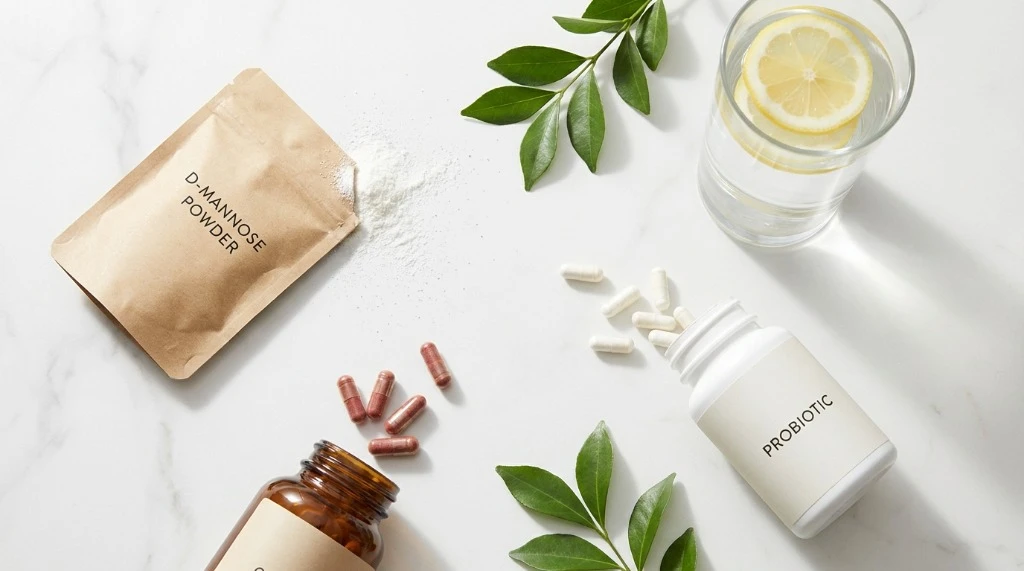
Breaking the recurrent UTI cycle takes a smart blend of medical care, targeted supplements, and daily habits. Modern guidelines favor prevention steps over daily antibiotic pills.
| Preventive Therapy | Mechanism of Action | Clinical Evidence | Ideal Candidate |
|---|---|---|---|
| Hiprex (Methenamine Hippurate) | Converts to antibacterial formaldehyde in acidic urine (pH < 5.5). | High. Proven non-inferior to daily antibiotics in ALTAR trial. | Women seeking non-antibiotic long-term prevention. |
| Topical Vaginal Estrogen | Restores tissue thickness, glycogen stores, and acidic lactobacilli. | High. Reduces recurrence rates by over 50% in clinical trials. | Perimenopausal and postmenopausal women with GSM. |
| Post-Coital Prophylaxis | Single low-dose antibiotic tablet taken within two hours of sex. | High. Endorsed by ACOG and AUA clinical guidelines. | Sexually active women whose infections occur solely after sex. |
| Soluble Cranberry PACs (36 mg) | Proanthocyanidins block E. coli FimH pili adherence. | Moderate. Concentrated extracts only, not sugary juice. | Women with mild to moderate recurring E. coli UTIs. |
| D-Mannose Powder (2 g Daily) | Decoy sugar binds bacterial pili so urine flow washes germs away. | Moderate. Effective specifically against E. coli strains. | Women seeking natural daily bladder support. |
Support your bladder health with good daily habits.
- Drink 2.5 to 3 liters of water every day. A study in JAMA Internal Medicine proved that extra water cuts repeat infections in half. Urinate often. Bathroom trips wash bacteria out of your urethra before colonies form.
- Second, avoid constipation. A full rectum presses against your bladder neck. This pressure stops full bladder emptying. It raises local bacterial counts. Keep bowel habits regular with dietary fiber and water.
- Third, take studied probiotic strains like Lactobacillus crispatus and Lactobacillus reuteri. These friendly bacteria rebuild your natural defenses after antibiotics. Read our guide on restoring healthy vaginal flora for practical steps.
- Finally, avoid sweet cranberry juices that irritate bladder tissues. Choose concentrated pills with 36 mg PACs. They block bacteria from sticking to tissue.
Frequently Asked Questions About Recurrent UTIs
Can my partner pass bacteria to me during sex?
Urinary tract infections are not sexually transmitted diseases. Your partner does not pass a UTI to you. Instead, physical motion moves your own skin bacteria toward your urethra. In rare cases where partners carry prostate infections, a urologist can test for shared germs.
Can recurrent UTIs cause permanent kidney damage?
Simple bladder infections stay in your lower urinary tract. They do not cause lasting kidney harm. Danger happens only if untreated germs climb up into your kidneys. Prompt culture-guided care protects your kidneys completely.
Why did D-mannose help at first and then stop working?
D-mannose acts as a decoy for E. coli bacteria. It binds to tiny bacterial pili so urine flushes them away. However, D-mannose does not stop other common germs like Enterococcus, Klebsiella, or Group B Strep. If a different germ enters your bladder, D-mannose provides no benefit.
When should I schedule an appointment with East Coast OBGYN?
Book a visit if you have had two or more UTIs in six months. Come see us if burning lingers after antibiotics. We also help if lab tests return negative while pain persists. Dr. Mark Vaynkhadler evaluates your pelvic, hormonal, and bladder health at our Brooklyn and Manhattan clinics. Our clinical team builds a personal care plan to break the infection cycle for good.
Take the first step toward lasting relief. Book a visit on our contact and appointment page. Or explore our gynecological care services today.