
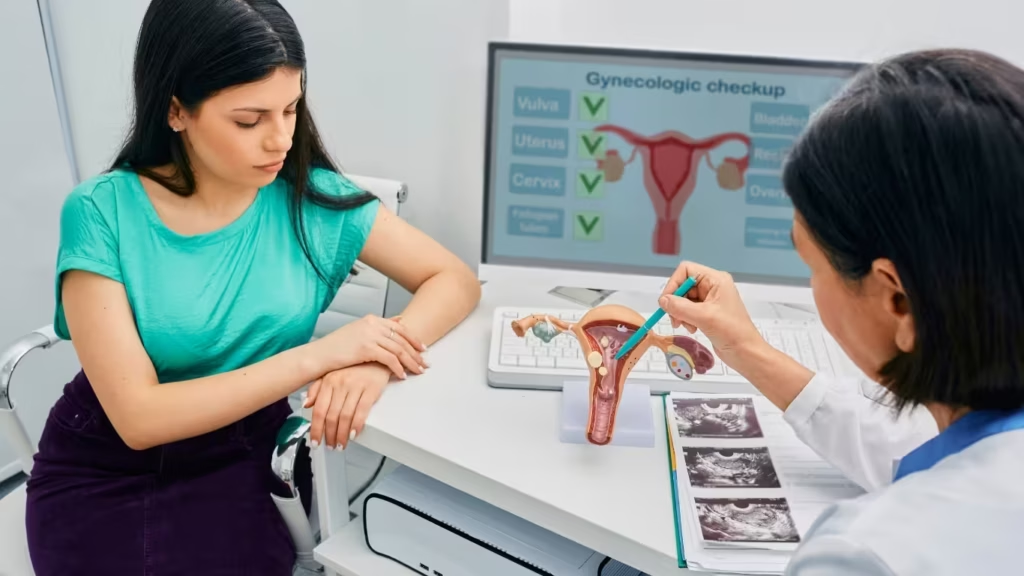
An annual gynecological exam is a yearly health visit for women. It gives you time to talk about periods, pelvic pain, birth control, pregnancy plans, menopause, and breast health. You can also bring up any changes you have noticed. The visit should feel private, safe, and focused on you.
Key Takeaways
- The well-woman visit is shaped by your age, risk factors, and health goals.
- Annual visits cover much more than a single test or screening.
- Telehealth works for some follow-ups, but physical exams need an in-person visit.
What Is an Annual Gynecological Exam?
National well-woman visit guidelines say that preventive care should be different for each patient. An annual gynecological exam is a yearly chance to go over your symptoms, screenings, pregnancy plans, sexual health, and medicines. It is also a good time to ask questions you may not bring up in a quick visit.
If this is your very first time at East Coast OBGYN, our New Patient Visit Guide walks through check-in, intake, and what to bring for your first appointment.
At East Coast OBGYN, led by board-certified OB/GYN Dr. Mark Vaynkhadler, your visit may cover your menstrual cycle, pelvic pain, pregnancy plans, birth control, menopause, or breast health changes. Some patients also need STI testing, follow-up care, or screening talks based on age and risk. We serve patients across Brooklyn, including Brighton Beach, Sheepshead Bay, Midwood, Gravesend, Bensonhurst, Flatbush, and Canarsie. We also see patients in Manhattan.
Many patients think the annual visit is just a Pap smear. That mix-up can lead people to skip care when they are not due for screening. The visit still matters because your symptoms, birth control needs, pregnancy plans, and breast health can change from year to year.
For more about our services, see gynecological care in Brooklyn and Manhattan.
What Happens Before the Exam Starts?
Before any exam begins, your visit starts with a private health review. Your doctor will use this to decide which screenings or exam steps are right for you. Research shows that screening can catch problems early, reduce deaths, and lower health care costs.
You may be asked about your last period, bleeding changes, pelvic pain, pregnancy history, medicines, allergies, past Pap or HPV results, birth control, STI concerns, and family history. You can also bring up topics that feel hard to talk about. OB/GYN visits are built for private, honest talks.
Bring your ID, insurance card, medicine list, past test results if you have them, and a short list of questions. If your cycles are not regular, write down the dates of your recent periods. Note any heavy bleeding, pain, spotting, or missed periods.
Do You Need the Same Exam Every Year?
No. Not every patient needs the same exam steps each year. Current guidelines say your exam should be based on your symptoms, age, history, and concerns.
Your doctor may change the visit based on pelvic pain, heavy or unusual bleeding, discharge, pregnancy concerns, breast symptoms, medicine updates, birth control goals, or menopause questions. Each visit is shaped by what you need that year.
If you feel nervous, say so before the exam starts. You can ask what each step is for. You can ask for a pause. You can ask if a support person can be in the room. A good exam includes your consent, a clear explanation, and your privacy.
Learn more about annual gynecological care in Brooklyn and Manhattan.
Screening Topics That May Come Up During the Visit
Your visit may include a talk about cervical cancer screening, but not every yearly visit is mainly about Pap testing. Some patients are due for screening. Some need follow-up on past results. Others just need a symptom review or health advice.
Current screening guidelines say that women ages 21 to 29 should get a Pap test every three years. Women ages 30 to 65 have more options, including HPV-based testing. Your doctor will decide what fits your health history.
In the United States, there were 12,960 new cervical cancer cases in 2022 and 4,162 deaths in 2023 based on data from cervical cancer prevention research. Screening matters because early cell changes often cause no symptoms at all.
For a deeper look at screening steps, ask your doctor or read our guides on Pap smear vs pelvic exam and abnormal Pap smear results when available.
Breast Health, Hormones, and Common Symptoms to Discuss
Your annual visit is a good time to bring up breast changes, hormone symptoms, irregular periods, heavy bleeding, pelvic pain, acne, hot flashes, mood swings, and weight changes. Your doctor should ask about these based on your age and risk. If you have pelvic pain, heavy bleeding, bloating, or pressure, your annual visit is a good time to ask whether ovarian cysts or fibroids could be involved.
Breast health questions might include new lumps, nipple discharge, breast pain, skin changes, and family history. Your OB/GYN can tell you what needs an exam, what needs imaging, and what just needs regular check-ups.
Hormonal imbalance is not one single problem. It can be tied to PCOS, thyroid issues, perimenopause, menopause, pregnancy, medicine changes, or stress. The right next step depends on your symptoms, exam results, health history, and lab work.
If you have noticed ongoing hormone changes, our guide on hormonal imbalance in women covers common signs and when to see a doctor.
Can Any OB/GYN Visit Be Done by Telehealth?

Telehealth can handle some parts of OB/GYN care, but it cannot replace every in-person visit. It works well for reviewing results, talking about birth control, checking in on medicines, and planning your next steps.
A pelvic exam, Pap smear, HPV test, breast exam, ultrasound, or any hands-on procedure needs an in-person visit. The same goes for urgent symptoms. If you are not sure which type of visit you need, call the office and ask.
For busy Brooklyn and Manhattan patients, telehealth can save time. It can help you ask questions before a procedure, review normal results, or figure out if your symptoms need an office visit.
To ask about visit options, contact East Coast OBGYN.
How Should You Prepare for Your Visit?
Write down your symptoms, questions, cycle dates, medicines, and past screening results before your visit. If you are worried about pain, privacy, cost, insurance, or a past bad experience, let the office know ahead of time.
Try not to cancel because a topic feels awkward. OB/GYN visits often cover discharge, odor, pain during sex, bladder symptoms, bleeding, birth control, fertility, pregnancy, and menopause. A clear talk with your doctor helps avoid delays and clears up confusion.
You can ask what will happen before each exam step. This helps a lot if it is your first visit, if you have a trauma history, or if you have had a hard medical experience before.
When Should You Schedule Sooner?
Do not wait for your yearly visit if something new or worrying comes up. Some symptoms need faster care.
See your doctor sooner if you have bad pelvic pain, very heavy bleeding, bleeding after sex, a new breast lump, unusual discharge, pelvic pressure, a positive pregnancy test, warning signs during pregnancy, fever with pelvic pain, or sudden changes that worry you.
If your symptoms feel urgent, call the office or go to emergency care. A blog post cannot take the place of medical advice from your doctor.
Book an Annual Gynecological Exam in Brooklyn

East Coast OBGYN offers gynecological care, annual exams, birth control counseling, pregnancy care, and women’s health visits in Brooklyn and Manhattan. Dr. Mark Vaynkhadler and our team serve patients from Brighton Beach, Sheepshead Bay, Midwood, Gravesend, Bensonhurst, Flatbush, Canarsie, and nearby areas.
To schedule, call East Coast OBGYN at (718) 769-6868 or visit the contact page. If you are not sure whether you need an annual exam, pelvic exam, telehealth visit, or urgent appointment, the office can help.
See our Brooklyn, NY OB/GYN location page or the Manhattan OB/GYN page for directions and hours.
Frequently Asked Questions
How often should I schedule a gynecological exam?
Most patients benefit from a yearly OB/GYN visit. The exact exam and tests depend on your age, symptoms, health history, and risk factors. Your doctor will decide what you need each year based on your own health picture.
Do annual gynecological visits look the same for every patient?
No. East Coast OBGYN shapes each visit around your age, symptoms, history, screening needs, and personal concerns.
Can screening questions come up during an annual visit?
Yes. Your yearly visit may include screening talks, health advice, and follow-up plans based on your age, risk, past results, and symptoms.
Can I ask about birth control during an annual exam?
Yes. Your annual exam is a great time to talk about pills, IUDs, implants, injections, emergency options, side effects, pregnancy plans, and non-hormonal choices. Your doctor can help match the method to your health history and goals.
Can telehealth replace an annual OB/GYN exam?
Telehealth works for some follow-ups, result reviews, medicine check-ins, and planning. It cannot replace visits that need a physical exam, Pap smear, HPV test, breast exam, ultrasound, or hands-on care.