
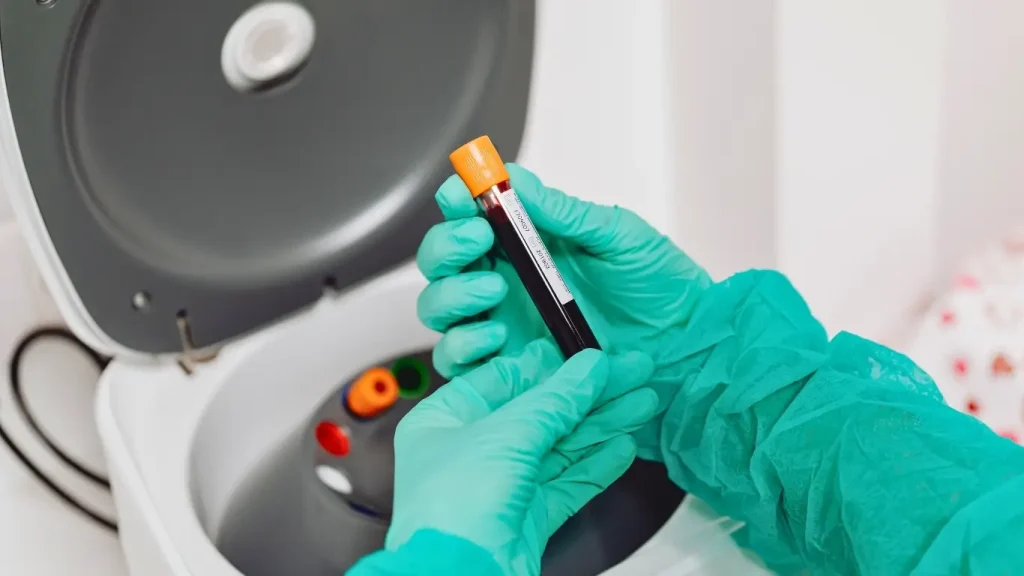
For many women, the thought of getting tested for sexually transmitted diseases (STDs) or infections (STIs) brings up feelings of anxiety, embarrassment, or fear of the unknown. If you’ve never been tested before, or if it’s been a while, you might be wondering exactly what happens behind the closed door of the exam room. Will it hurt? What questions will the doctor ask? How long do results take?
These are all valid questions. The good news is that STD testing is a routine, straightforward, and highly confidential process. It is one of the most important things you can do to protect your reproductive health and the health of your partners.
This article will walk you through exactly what to expect during an STD testing appointment, step-by-step, so you can feel prepared and empowered. For a deeper dive into the specific infections and why testing is so critical, we encourage you to read our comprehensive guide: STD Testing and Sexual Health: The Definitive Guide for Every Woman.

Step 1: The Conversation (The Most Important Part)
The testing process actually begins before any physical exam takes place. It starts with a conversation between you and your OBGYN. This is often the part that causes the most anxiety, but it shouldn’t. Your doctor is a medical professional; they have heard it all, and their only goal is to keep you healthy, not to judge your lifestyle.
To determine which specific tests you need, your doctor will ask you a series of questions about your sexual history. These questions might include:
- Are you currently sexually active?
- Have you had any new partners recently?
- Do you have sex with men, women, or both?
- What kind of sexual contact do you have (vaginal, anal, oral)?
- Do you consistently use barrier methods like condoms or dental dams?
- Have you or any of your partners ever been diagnosed with an STD?
- Are you experiencing any symptoms, such as unusual discharge, pain, or sores?
Honesty is crucial here. The tests your doctor orders are directly based on your answers. For example, if you only have oral sex, a standard vaginal swab won’t detect an infection in your throat. Being completely transparent ensures you get the accurate screening you need.
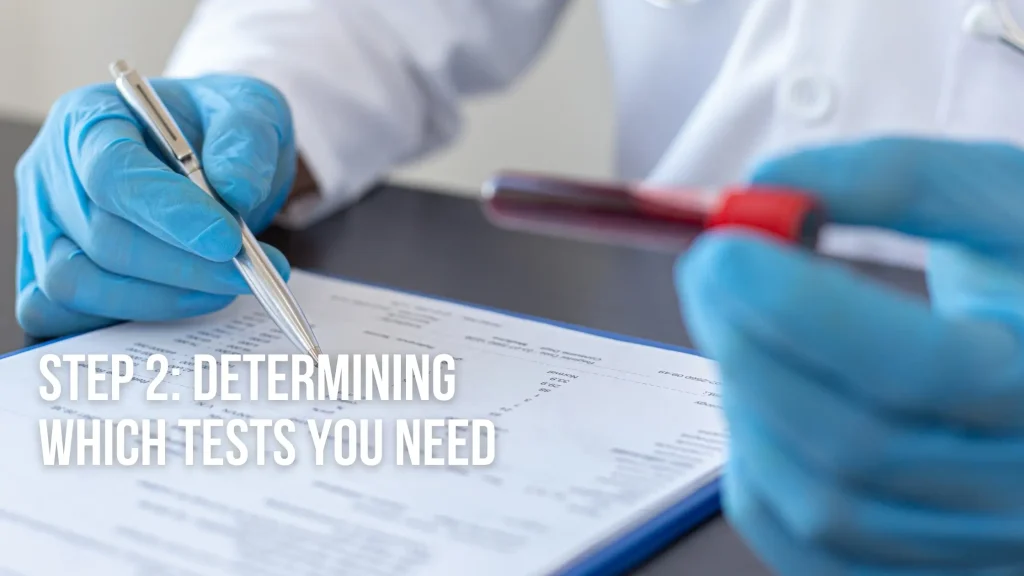
Step 2: Determining Which Tests You Need
There is no single “STD test” that checks for everything at once. Testing is specific to each infection. Based on your conversation, your age, and current medical guidelines, your doctor will recommend a panel of tests.
Common recommendations include:
- Chlamydia and Gonorrhea: Annual screening is recommended for all sexually active women under 25, and for older women with new or multiple partners.
- HIV: The CDC recommends that everyone between the ages of 13 and 64 get tested for HIV at least once as part of routine health care, and more frequently if you are at higher risk.
- Syphilis, Hepatitis B, and Hepatitis C: Recommended for all pregnant women and anyone at increased risk.
- HPV (Human Papillomavirus): Testing is typically done in conjunction with a Pap smear (co-testing) starting at age 30, or earlier if a Pap smear shows abnormal cells.
- Herpes: Routine blood testing for herpes is generally not recommended unless you have symptoms (like a visible sore) or a partner with a known infection.
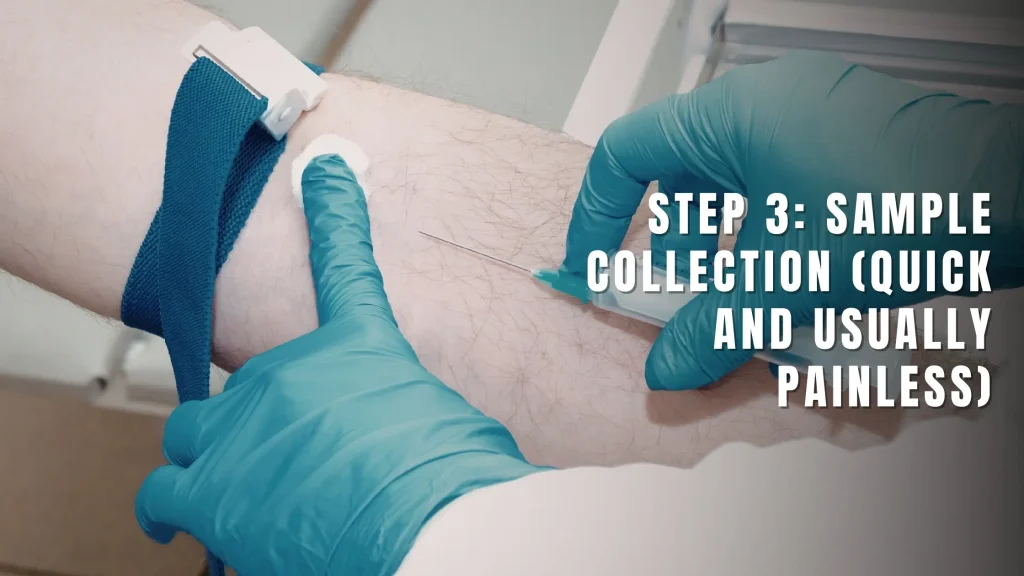
Step 3: Sample Collection (Quick and Usually Painless)
Once the necessary tests are determined, the actual sample collection is usually very quick. Depending on what you are being tested for, your doctor will collect one or more of the following:
1. A Urine Sample
This is the most common and least invasive way to test for chlamydia and gonorrhea. You will simply be asked to pee into a small cup. Tip: It’s often best to provide a “first-catch” urine sample, meaning the very first part of your urine stream, and you shouldn’t have urinated for at least an hour before the test.
2. A Swab
Swabs are used to collect cells or fluid from the affected area.
- Vaginal/Cervical Swab: Your doctor may use a cotton swab to take a sample from your vagina or cervix during a pelvic exam. This is often used for chlamydia, gonorrhea, and trichomoniasis. In many clinics, you may even be given the option to do a vaginal swab yourself in the privacy of the bathroom or exam room.
- Throat or Rectal Swab: If you engage in oral or anal sex, your doctor may need to swab your throat or rectum to check for localized infections.
- Sore Swab: If you have an active blister or sore (which could indicate herpes or syphilis), the doctor will swab the sore directly. This can be slightly uncomfortable but is very brief.
3. A Blood Draw
A standard blood draw from your arm is required to test for HIV, syphilis, and hepatitis. This is just like any other routine blood test you might have had.
4. A Pap Smear
While not an STD test in the traditional sense, a Pap smear checks for abnormal cellular changes on the cervix caused by HPV. During a pelvic exam, your doctor will use a small brush or spatula to gently collect cells from your cervix. This can cause a brief pinching or cramping sensation.
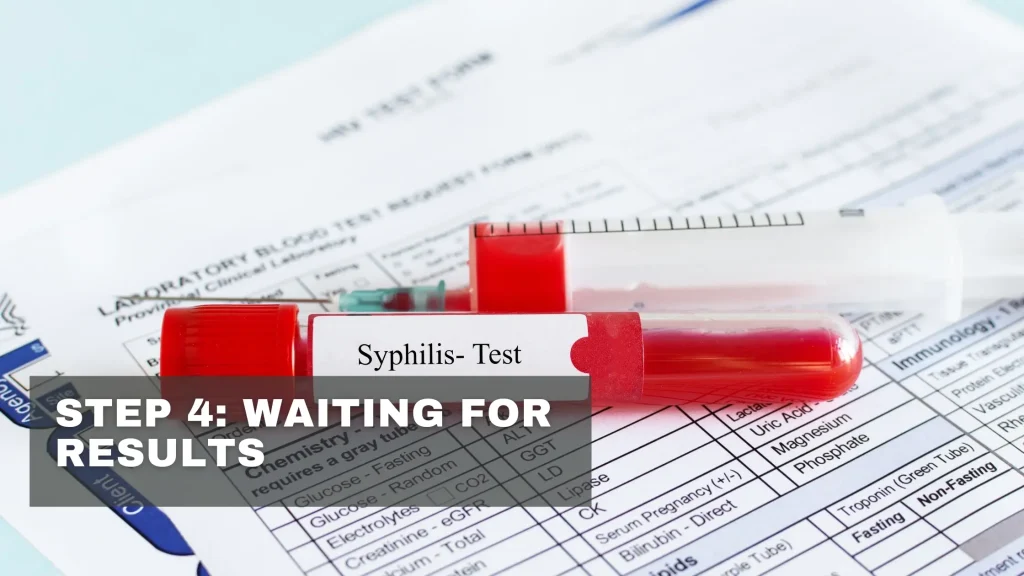
Step 4: Waiting for Results
The waiting period can be nerve-wracking, but try to relax. The time it takes to get your results depends on the specific tests and the laboratory used.
- Some clinics offer rapid HIV testing with results in about 20 minutes.
- Most other tests (urine, swabs, blood work) typically take anywhere from a few days to a week to process.
Before you leave the office, ask your doctor how you will receive your results. Some practices call you regardless of the outcome, while others only call if a test is positive. Many clinics now use secure online patient portals where you can view your results as soon as they are available.
Step 5: What Happens if a Test is Positive?
If you receive a positive result, the most important thing is not to panic. Most common STDs, including chlamydia, gonorrhea, syphilis, and trichomoniasis, are completely curable with antibiotics.
Viral infections like HPV, herpes, and HIV are not curable, but they are highly manageable.
- Most HPV infections clear up on their own, and abnormal cells can be treated to prevent cervical cancer.
- Antiviral medications can manage herpes outbreaks and significantly reduce the risk of passing the virus to a partner.
- Modern antiretroviral therapy (ART) for HIV is incredibly effective, allowing individuals to live long, healthy lives and reducing their viral load to undetectable (and therefore untransmittable) levels.
If you test positive, your doctor will discuss your treatment options, prescribe the necessary medication, and advise you on how to talk to your sexual partners so they can also get tested and treated.
Taking Control of Your Health
Getting tested for STDs is a normal, responsible part of being a sexually active adult. It is the only way to protect your reproductive future and ensure you are not unknowingly passing an infection to someone else.
At East Coast OBGYN, we provide a safe, judgment-free, and strictly confidential environment for all your sexual health needs. If you are due for a screening, or if you have any concerns about your sexual health, don’t wait. Schedule a gynecological care appointment at our Brooklyn or Manhattan clinic today. Your health and peace of mind are our top priorities.