
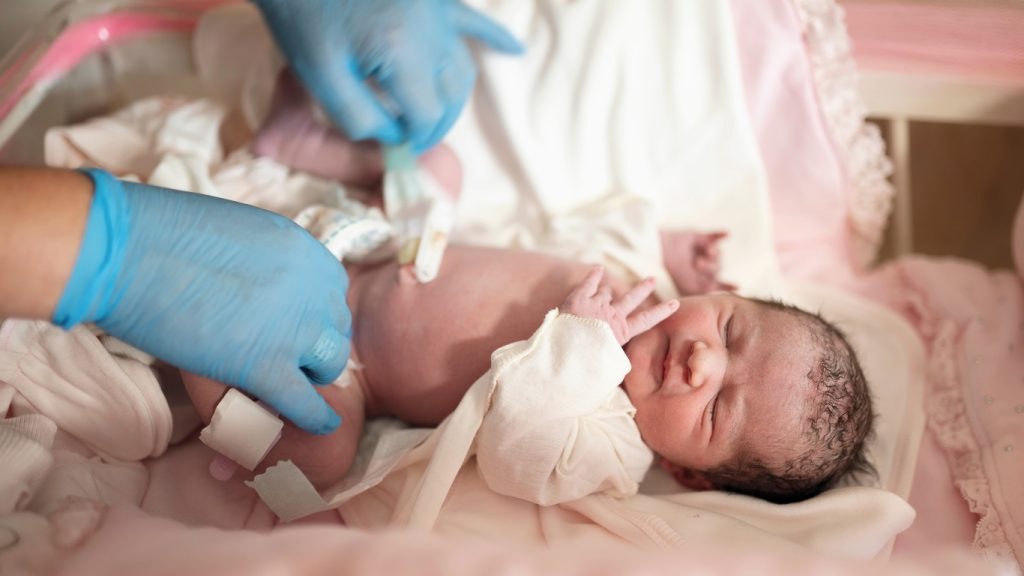
For parents considering newborn circumcision in Brooklyn or Manhattan, the first questions are usually practical: what happens during the procedure, how should a baby be cared for afterward, and where can parents find a qualified provider? This guide explains the decision, procedure, recovery, and aftercare. Families ready to discuss care or request an appointment can visit our newborn circumcision.
Parents may also use the phrase infant circumcision when searching for care during the first weeks of life. The right timing and setting depend on your baby’s health, age, and the guidance of the clinician performing the procedure.
Infant Circumcision in Brooklyn: What Parents Should Know
Parents searching for infant circumcision in Brooklyn are often deciding whether to arrange care soon after birth or to learn more before making a decision. A helpful first step is to ask how the procedure is performed, what pain-management approach is used, what aftercare is provided, and how follow-up questions are handled.
East Coast OBGYN provides newborn circumcision appointments for families in Brooklyn. You can review the newborn circumcision appointments and the Brooklyn office location before contacting the practice.
Newborn Circumcision in Manhattan: Finding Care and Preparing for an Appointment
Families looking for newborn circumcision in Manhattan may want to prepare a few questions before scheduling. Ask whether the provider performs newborn circumcisions in an office setting, what information is needed before the visit, how aftercare instructions are given, and who to contact if concerns arise during healing.
This article is intended to help parents understand the process. For appointment details and service information, visit East Coast OBGYN’s newborn circumcision service page or review the Manhattan office information.
What Is Circumcision?
Circumcision is a surgical procedure in which the foreskin (the tissue covering the head of the penis) is removed. The procedure is typically performed on newborns, though it can also be done on older children or adults.
In the United States, circumcision is a common practice, with approximately 55-65% of newborn boys being circumcised. The decision to circumcise is often based on cultural, religious, or health considerations, and it’s a deeply personal choice that each family makes based on their own values and preferences.
Why Do Parents Choose Circumcision?
Parents choose circumcision for a variety of reasons:
Religious and Cultural Traditions: For many families, circumcision is an important religious or cultural practice. In Jewish tradition, circumcision (brit milah) is performed on the eighth day after birth as a covenant with God. In Islamic tradition, circumcision is also an important religious practice, though it’s often performed later in childhood.
Health and Hygiene Considerations: Some parents choose circumcision for health reasons. A circumcised penis is easier to keep clean, as there’s no foreskin to retract and clean underneath. Some studies suggest that circumcision may reduce the risk of urinary tract infections (UTIs) in infants, though the absolute risk reduction is small.
Prevention of Foreskin Problems: Some boys experience problems with their foreskin, such as phimosis (inability to retract the foreskin) or balanitis (inflammation of the head of the penis). Circumcision eliminates these potential issues.
Reduced Risk of Certain Conditions: Some research suggests that circumcision may reduce the risk of certain sexually transmitted infections (STIs) and penile cancer later in life, though these risks are relatively low in developed countries with good hygiene and healthcare access.
Parental Preference: Some parents simply prefer the appearance of a circumcised penis or want their son to match the appearance of other family members.
The Circumcision Procedure: What to Expect
Before the Procedure
Your healthcare provider will give you detailed pre-operative instructions. These typically include:
– Feeding your baby normally up until the procedure (unless otherwise instructed)
– Dressing your baby in comfortable, loose-fitting clothing
– Arranging for a trusted adult to help you at home after the procedure
– Understanding the risks and benefits of the procedure
During the Procedure
The circumcision procedure typically takes 10-15 minutes. Your baby will be placed on a special circumcision board or restraint to keep him still and safe during the procedure. The provider will:
1. Clean the genital area with an antiseptic solution
2. Apply a local anesthetic (numbing medication) to reduce pain
3. Use a surgical instrument (such as a Gomco clamp, Plastibell, or Mogen clamp) to remove the foreskin
4. Apply antibiotic ointment and a sterile dressing to the area
Your baby will likely cry during the procedure, which is normal. The local anesthetic ensures that while your baby may feel pressure and hear sounds, he should not feel sharp pain.
Immediately After the Procedure
After the procedure, your baby will be given back to you for comfort and feeding. It’s normal for your baby to be fussy or sleepy. You can usually breastfeed or bottle-feed your baby shortly after the procedure, which can be soothing for both of you.
Recovery and Aftercare: Caring for Your Baby at Home

Proper aftercare is crucial for ensuring that your baby’s circumcision heals well and without complications. Here’s what to expect and how to care for your baby:
The First Few Days
Bleeding and Swelling: Mild bleeding and swelling are normal in the first few days. The area may appear red, swollen, and bruised. This typically improves within 3-5 days.
Diaper Changes: Change your baby’s diaper frequently, at least every 2-3 hours, and after each bowel movement. Use warm water and gentle soap to clean the area, patting dry gently with a clean cloth.
Dressing Changes: If your provider applied a dressing, follow their instructions for changing it. Typically, you’ll change the dressing with each diaper change for the first few days.
Pain Management: Your baby may be uncomfortable, especially during diaper changes. Your provider may recommend acetaminophen or ibuprofen for pain management. Follow your provider’s dosing instructions carefully.
Weeks 1-2
Healing: The circumcision site should begin to heal within the first week. The area will gradually become less red and swollen.
Activity: Avoid tub baths for the first week; instead, use sponge baths. After the first week, you can resume normal baths, being gentle around the circumcision site.
Ointment: Continue applying antibiotic ointment as directed by your provider.
Weeks 2-4
Complete Healing: Most circumcisions are completely healed within 2-4 weeks. However, complete healing can take up to 6 weeks in some cases.
Return to Normal: Once healed, you can resume normal activities, including swimming and sports.
When to Call Your Provider: Warning Signs
While complications are rare, contact your provider immediately if you notice:
– Excessive bleeding that doesn’t stop with gentle pressure
– Signs of infection, such as increased redness, warmth, pus, or a foul odor
– Fever (temperature above 100.4°F or 38°C)
– Your baby is unable to urinate or has not urinated within 8 hours of the procedure
– Severe swelling that worsens after the first few days
– Separation of the circumcision site or opening of the wound
Why Choose East Coast OBGYN for Your Baby’s Circumcision
When it comes to your baby’s health and safety, choosing the right provider is paramount. At East Coast OBGYN, we understand the trust you’re placing in us, and we take that responsibility seriously.
Dr. Mark Vaynkhadler has extensive experience performing safe, professional newborn circumcisions. He uses the latest techniques and maintains the highest standards of sterility and safety. His approach is gentle, compassionate, and focused on minimizing discomfort for your baby while ensuring optimal healing.
Why Parents in Brooklyn and Manhattan Choose East Coast OBGYN:
Experience and Expertise: Dr. Vaynkhadler has performed hundreds of circumcisions and is skilled in all circumcision techniques. He stays current with the latest best practices to ensure the safest, most effective procedure.
Gentle, Compassionate Approach: We understand that entrusting your newborn to a healthcare provider is a big decision. Dr. Vaynkhadler approaches every circumcision with gentleness, expertise, and a deep respect for your family’s values and preferences.
Comprehensive Aftercare: We don’t just perform the procedure; we provide detailed aftercare instructions and are available to answer any questions or concerns you may have during your baby’s recovery.
Convenient Locations: With offices in Brooklyn and Manhattan, we’re easily accessible to families throughout Manhattan and Brooklyn.
Trusted by Families: For years, families in Brooklyn and Manhattan have trusted East Coast OBGYN during pregnancy, delivery, and their baby’s early medical care.
Making Your Decision
Deciding whether to circumcise your son is a personal choice that should be based on your family’s values, cultural and religious traditions, and health considerations. We encourage you to:
- Discuss the decision with your partner and family
- Research the procedure and its benefits and risks
- Talk with your healthcare provider about your specific situation and concerns
- Feel confident in your decision, knowing you’ve made the choice that’s right for your family
Questions to Ask a Newborn Circumcision Provider
When choosing a newborn circumcision provider, ask who will perform the procedure, how the clinician evaluates whether a baby is ready, what pain-management approach is used, what aftercare instructions you will receive, and how to reach the office with follow-up questions. These questions can help parents compare local options without relying only on search results.
- Who will perform the procedure?
- What should we bring or do before the appointment?
- How is discomfort managed during the procedure?
- What healing changes are expected, and which signs require a call?
- Who should we contact if we have a question after the appointment?
For service details and appointment requests, see our newborn circumcision services.
Frequently Asked Questions About Newborn Circumcision Care
Where can I get my baby circumcised in Brooklyn or Manhattan?
Parents in Brooklyn and Manhattan can contact East Coast OBGYN to request a newborn circumcision appointment. The service page lists office details and provides a way to request an appointment.
Is newborn circumcision done in a hospital or an office?
Some newborn circumcisions are performed in hospitals, while others are performed in a medical office. The setting depends on timing, your baby’s health, and the provider’s availability.
How much does newborn circumcision cost?
Costs can vary based on the care setting, insurance coverage, and whether a consultation is needed. Contact East Coast OBGYN directly for current appointment and pricing information.
When should I call a clinician after newborn circumcision?
Call a clinician promptly for excessive bleeding, worsening swelling, fever, pus, a foul odor, or trouble urinating. Follow the aftercare instructions given for your baby’s procedure.
Ready to Schedule Your Baby’s Circumcision?
If you have decided to explore newborn circumcision care, East Coast OBGYN can answer practical questions about the procedure, appointment process, and aftercare.
Contact East Coast OBGYN today:
- Brooklyn Office: (718) 769-6868
- Manhattan Office: (718) 975-4898
- Book Online: https://eastcoastobgyn.com/contact-us/
Your baby’s health and safety are our top priority. We look forward to caring for your family.