
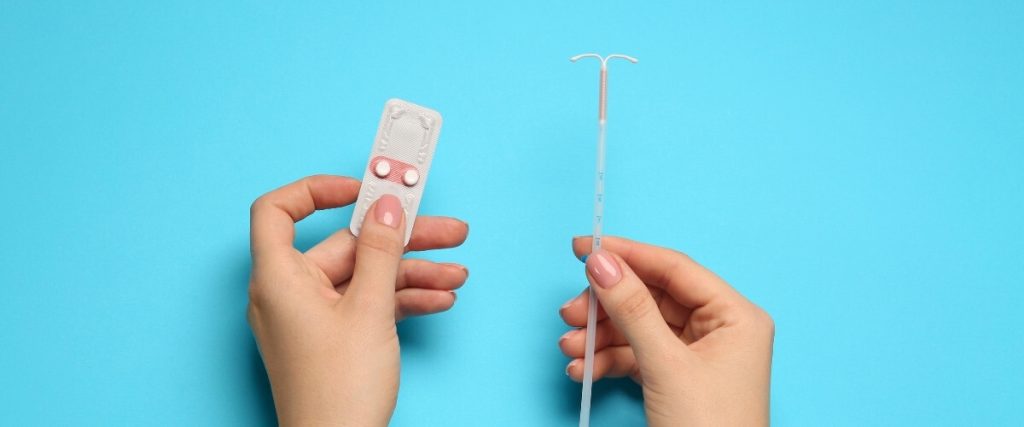
When it comes to choosing a birth control method, the sheer number of options can feel overwhelming. For decades, the daily oral contraceptive pill was the default choice for most women. Today, however, Long-Acting Reversible Contraceptives (LARCs), particularly the Intrauterine Device (IUD), have surged in popularity.
Both the IUD and the pill are highly effective, safe, and widely used, but they work in very different ways and fit into different lifestyles. If you find yourself weighing these two options, you are not alone. This article breaks down the key differences between the IUD and the pill—comparing effectiveness, convenience, side effects, and cost—to help you make an informed decision.
For a complete overview of all your contraceptive options, including implants, patches, and barrier methods, be sure to read our comprehensive pillar post: IUD, Birth Control, and Contraception: The Ultimate Decision Guide.

The Basics: How Do They Work?
Before comparing them, it’s important to understand the fundamental mechanics of each method.
The Birth Control Pill
The pill is a daily medication that contains hormones to prevent pregnancy.
- Combination Pills: These contain both estrogen and progestin. They work primarily by stopping your ovaries from releasing an egg (ovulation). They also thicken cervical mucus to block sperm.
- Progestin-Only Pills (Minipills): These contain only progestin. They work mainly by thickening cervical mucus and thinning the lining of the uterus, though they sometimes also stop ovulation.
The IUD (Intrauterine Device)
An IUD is a small, T-shaped device inserted directly into your uterus by a healthcare provider.
- Hormonal IUDs (e.g., Mirena, Kyleena, Liletta): These release a steady, low dose of progestin locally into the uterus. They thicken cervical mucus, thin the uterine lining, and can sometimes suppress ovulation.
- Copper IUD (Paragard): This is completely hormone-free. The copper wire wrapped around the device creates an inflammatory response in the uterus that is highly toxic to sperm and eggs, preventing fertilization.
1. Effectiveness: Perfect Use vs. Typical Use
When evaluating birth control, doctors look at two numbers: “perfect use” (how well it works when used exactly as directed every single time) and “typical use” (how well it works in real life, accounting for human error).
- The IUD: Because an IUD is inserted by a doctor and stays in place for years, there is no room for human error. Its typical use effectiveness is the same as its perfect use effectiveness: over 99%. It is one of the most effective forms of reversible birth control available.
- The Pill: With perfect use (taking it at the exact same time every single day without fail), the pill is also over 99% effective. However, with typical use—which accounts for missed pills, taking them late, or vomiting after taking one—the effectiveness drops to about 91%. This means that out of 100 women using the pill typically, about 9 will get pregnant in a year.
The Verdict: If you want the absolute highest level of protection without having to think about it, the IUD is the clear winner.
2. Convenience and Lifestyle
Your daily routine plays a massive role in which method will work best for you.
- The Pill: Requires daily diligence. You must remember to take a pill every single day, ideally at the same time. If you have a chaotic schedule, travel frequently across time zones, or simply struggle to remember daily medications, the pill can be stressful and less effective. However, if you are already accustomed to taking daily vitamins or medications, adding the pill to your routine might be seamless.
- The IUD: Often described as “set it and forget it.” Once it is inserted, you are protected for anywhere from 3 to 10 years, depending on the type you choose. You don’t have to do anything before sex, and you don’t have to remember a daily pill.
The Verdict: For low-maintenance, long-term convenience, the IUD is unmatched. The pill is better suited for those who prefer daily control and have a consistent routine.
3. Impact on Your Period
Both methods can significantly alter your menstrual cycle, but in different ways.
- The Pill: Combination pills are famous for regulating periods. You will likely experience a predictable, lighter, and less painful “withdrawal bleed” during your placebo week. Many women take the pill specifically to manage heavy, painful, or irregular periods. You can also use the pill to skip your period entirely by skipping the placebo week (with your doctor’s approval).
- Hormonal IUDs: These often make periods much lighter and shorter. For many women (up to 20% after one year of use), periods stop completely. However, in the first 3 to 6 months after insertion, unpredictable spotting and irregular bleeding are very common.
- Copper IUD: Because it contains no hormones, it will not regulate your cycle. In fact, it often makes periods heavier and more crampy, especially during the first few months.
The Verdict: If predictable, regular bleeding is important to you, the pill is the better choice. If you want lighter or absent periods and don’t mind initial unpredictability, a hormonal IUD is excellent. If you want to avoid hormones entirely, the copper IUD is the option, but be prepared for potentially heavier flow.
4. Side Effects and Hormones
- The Pill: Because the hormones in the pill circulate throughout your entire bloodstream (systemic), side effects can include breast tenderness, nausea, headaches, and mood changes. Combination pills also carry a small but increased risk of blood clots, which is why they are not recommended for women who smoke and are over 35, or those with a history of blood clots or certain migraines.
- Hormonal IUDs: The progestin is released locally in the uterus, meaning very little hormone enters your bloodstream. Systemic side effects (like mood changes or breast tenderness) are much less common than with the pill.
- Copper IUD: Completely hormone-free, meaning zero hormonal side effects.
The Verdict: If you are sensitive to systemic hormones or have medical contraindications to estrogen, an IUD (hormonal or copper) or a progestin-only pill is a safer bet than a combination pill.
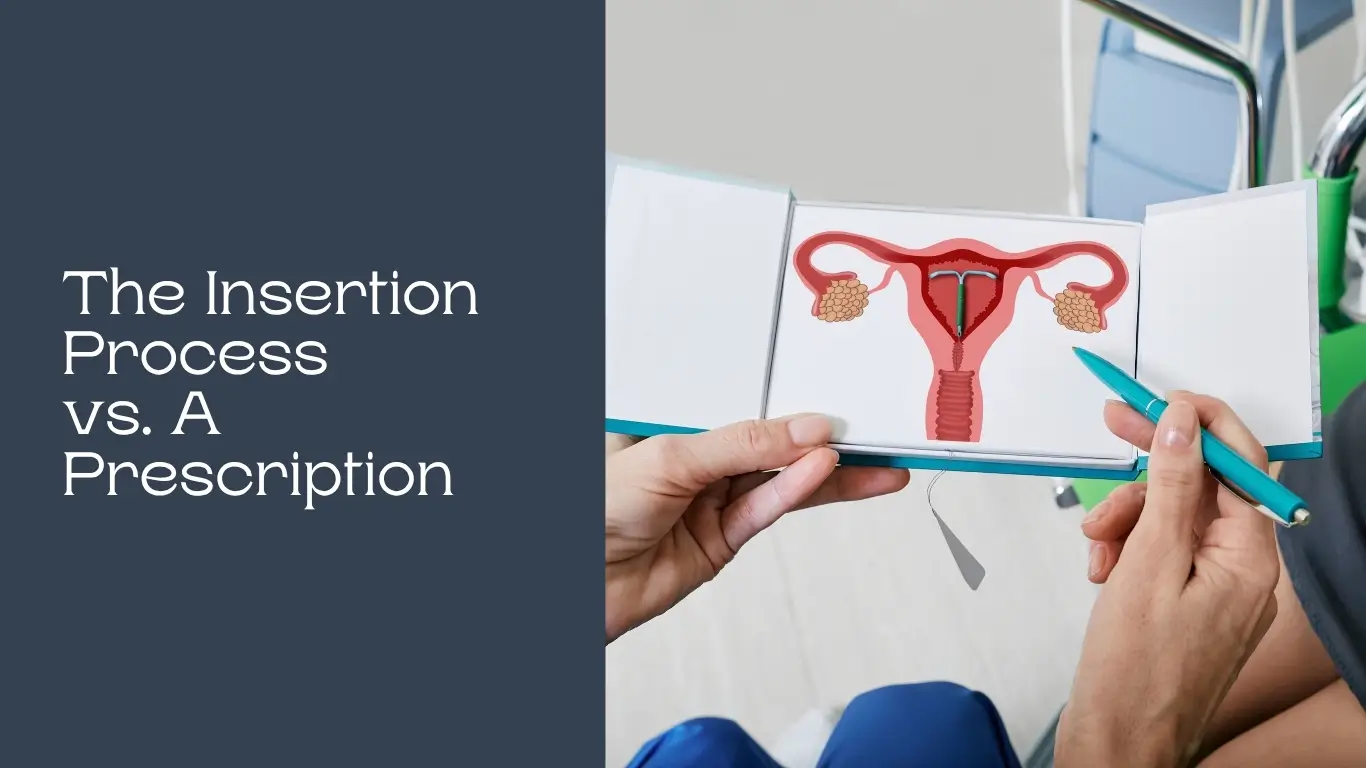
5. The Insertion Process vs. A Prescription
- The Pill: Requires a prescription from your doctor, which you then pick up at a pharmacy. It is completely non-invasive.
- The IUD: Requires an in-office procedure. Your doctor will use a speculum to open your vagina, measure your uterus, and insert the device through your cervix. This process takes only a few minutes but can cause significant cramping and discomfort. Some women find it very painful, while others experience only mild cramping.
The Verdict: If the idea of an insertion procedure causes you severe anxiety, the pill is the non-invasive alternative.
Making Your Decision
There is no “wrong” choice between the IUD and the pill only the choice that is right for you.
- Choose the IUD if: You want highly effective, “set it and forget it” protection for years, you want to avoid daily pills, or you want a hormone-free option (Copper IUD).
- Choose the Pill if: You want complete control over when you start and stop your method, you want highly predictable periods, or you want to avoid an insertion procedure.
The best way to make this decision is to discuss your medical history, lifestyle, and family planning goals with your OBGYN. At East Coast OBGYN, our team is dedicated to providing comprehensive, non-judgmental contraceptive counseling. We will help you weigh the pros and cons of every option so you can feel confident in your choice. Schedule a gynecological care appointment at our Brooklyn or Manhattan clinic today to find the birth control method that fits your life.