
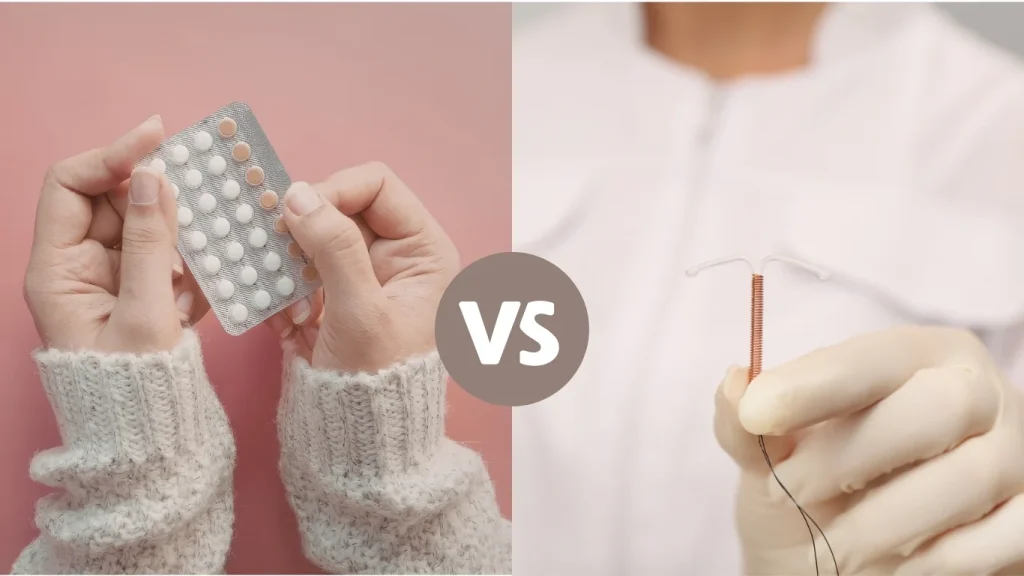
When you begin exploring your birth control options, the first major fork in the road is deciding between hormonal and non-hormonal methods. This single decision dictates how the method will interact with your body, what side effects you might experience, and how it will impact your menstrual cycle.
For decades, hormonal methods (like the pill) were the undisputed default. However, in recent years, there has been a significant shift. Many women are actively seeking non-hormonal alternatives, either due to medical contraindications, a desire to avoid systemic side effects, or a preference for allowing their natural menstrual cycle to function uninterrupted.
Both categories offer highly effective options, but they work in fundamentally different ways. This article breaks down the pros, cons, and mechanisms of both hormonal and non-hormonal birth control to help you determine which path is right for your body and lifestyle. For a complete overview of all specific methods, we recommend reading our comprehensive guide: IUD, Birth Control, and Contraception: The Ultimate Decision Guide.
Hormonal Birth Control: How It Works
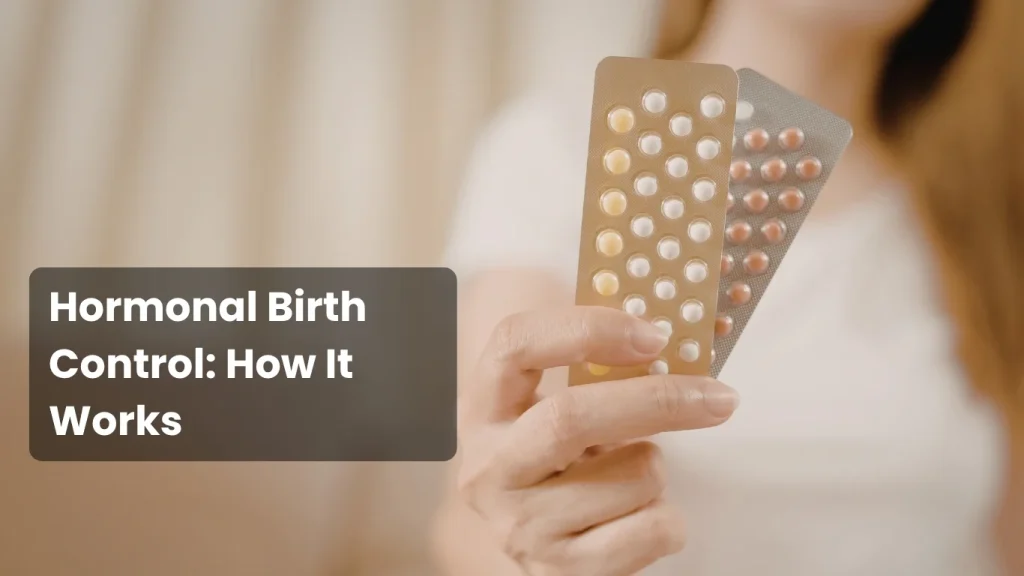
Hormonal birth control methods use synthetic versions of the hormones naturally produced by your body—estrogen and progestin (or progestin alone)—to prevent pregnancy.
They achieve this through three primary mechanisms:
- Stopping Ovulation: The hormones signal your brain to stop the ovaries from releasing an egg each month. Without an egg, fertilization cannot occur.
- Thickening Cervical Mucus: The hormones make the mucus at the cervix thick and sticky, creating a physical barrier that prevents sperm from entering the uterus.
- Thinning the Uterine Lining: The hormones keep the lining of the uterus thin, making it difficult for a fertilized egg to implant and grow.
Common Hormonal Methods:
- The Pill (Combination and Progestin-only)
- Hormonal IUDs (Mirena, Kyleena, Liletta, Skyla)
- The Implant (Nexplanon)
- The Patch (Xulane, Twirla)
- The Vaginal Ring (NuvaRing, Annovera)
- The Shot (Depo-Provera)
The Pros of Hormonal Birth Control
- High Effectiveness: When used correctly, hormonal methods are incredibly effective. LARCs (like the hormonal IUD and implant) boast effectiveness rates of over 99%.
- Menstrual Regulation: Combination methods (pill, patch, ring) provide highly predictable, regular bleeding. You know exactly when your “period” will arrive.
- Lighter, Less Painful Periods: Hormonal methods thin the uterine lining, which often results in significantly lighter bleeding and a reduction in severe menstrual cramps (dysmenorrhea).
- Management of Medical Conditions: Hormonal birth control is the primary medical treatment for conditions like Polycystic Ovary Syndrome (PCOS), endometriosis, and uterine fibroids. It can also help manage severe acne, PMS, and PMDD.
- Period Skipping: With your doctor’s approval, you can use combination methods to safely skip your period entirely, which is convenient for travel or managing severe menstrual symptoms.
The Cons of Hormonal Birth Control
- Systemic Side Effects: Because the hormones (particularly in the pill, patch, and ring) circulate throughout your bloodstream, they can cause systemic side effects. These may include breast tenderness, nausea, headaches, mood changes, and changes in libido.
- Medical Contraindications: Combination methods (those containing estrogen) are not safe for everyone. They carry a small increased risk of blood clots and stroke, and are generally not recommended for women over 35 who smoke, or those with a history of blood clots, uncontrolled high blood pressure, or certain types of migraines.
- Requires Consistency: Short-acting methods like the pill require strict daily adherence to be effective.
- No STD Protection: Hormonal methods offer zero protection against sexually transmitted diseases.
Non-Hormonal Birth Control: How It Works
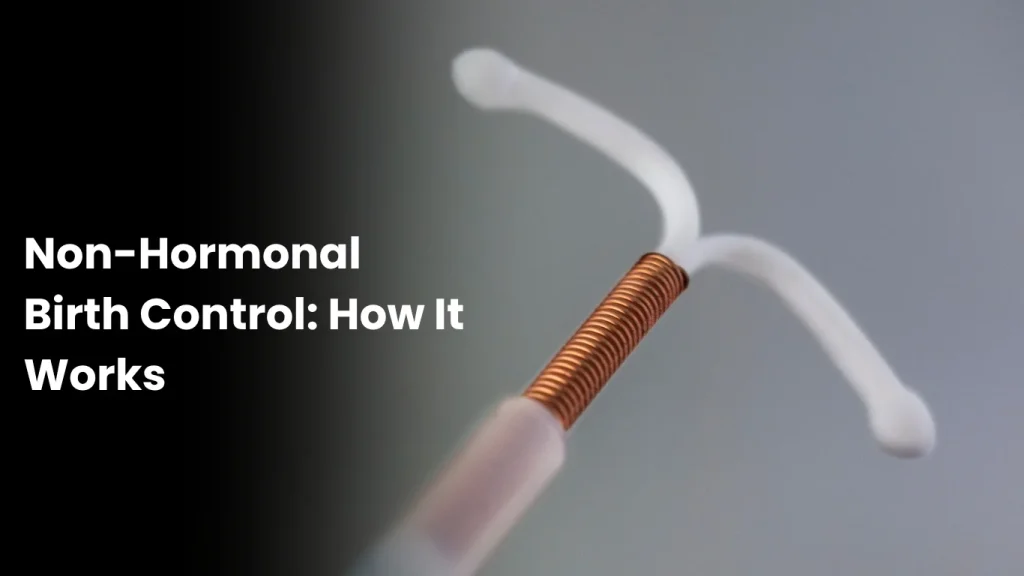
Non-hormonal methods prevent pregnancy without altering your body’s natural hormonal chemistry. They work primarily by creating a physical or chemical barrier that stops sperm from reaching the egg. Because they do not suppress ovulation, you will continue to have your natural menstrual cycle.
Common Non-Hormonal Methods:
- The Copper IUD (Paragard)
- Male and Female Condoms
- Diaphragms and Cervical Caps (used with spermicide)
- Contraceptive Gel (Phexxi)
- Fertility Awareness-Based Methods (FABMs)
- Permanent Sterilization (Tubal Ligation or Vasectomy)
The Pros of Non-Hormonal Birth Control
- Zero Hormonal Side Effects: Because they contain no synthetic hormones, you will not experience hormone-related side effects like mood swings, breast tenderness, or hormone-induced headaches.
- Safe for Almost Everyone: Non-hormonal methods are generally safe for women who cannot take estrogen due to medical history or risk factors.
- Natural Cycle Maintenance: You continue to ovulate and experience your body’s natural hormonal fluctuations. For women who want to stay “in tune” with their natural cycle, this is a major benefit.
- STD Protection (Condoms Only): Male and female condoms are the only forms of birth control that also protect against sexually transmitted diseases.
- Highly Effective LARC Option: The Copper IUD is over 99% effective, lasts for up to 10 years, and is completely hormone-free. It can also be used as highly effective emergency contraception.
The Cons of Non-Hormonal Birth Control
- Heavier, More Painful Periods (Copper IUD): The most significant drawback of the Copper IUD is that it often causes heavier menstrual bleeding and more severe cramping, particularly in the first 3 to 6 months after insertion.
- Lower Typical-Use Effectiveness (Barrier Methods): While the Copper IUD is highly effective, barrier methods like condoms and diaphragms have much lower “typical use” effectiveness rates (around 79-87%) because they are prone to human error (slipping, breaking, or not being used every time).
- Requires Action in the Moment: Barrier methods require you to interrupt intimacy to put them in place, which some couples find disruptive.
- No Symptom Management: Non-hormonal methods will not help manage acne, PCOS, endometriosis, or severe menstrual cramps. If you have heavy or painful natural periods, non-hormonal methods will not improve them (and the Copper IUD may worsen them).
How to Choose: Key Questions to Ask Yourself
Deciding between hormonal and non-hormonal birth control comes down to your personal health history and what you value most in a contraceptive. Consider these questions:
- Do you have heavy, painful, or irregular periods? If yes, a hormonal method is likely the better choice, as it can significantly improve these symptoms.
- Do you have a medical history that precludes estrogen? If you have a history of blood clots, smoke and are over 35, or have migraine with aura, you will need to choose a non-hormonal method or a progestin-only hormonal method.
- Are you sensitive to synthetic hormones? If you have experienced severe mood changes or other intolerable side effects on the pill in the past, a non-hormonal method (like the Copper IUD) might be a better fit.
- How important is convenience? If you want highly effective protection without having to think about it daily or in the moment, an IUD (hormonal or copper) or the implant are your best options.
- Do you need STD protection? If you are not in a mutually monogamous relationship where both partners have been tested, you must use condoms, regardless of what other method you choose.
There is no universally “perfect” birth control only the method that is perfect for you right now. Your needs may also change over time as your lifestyle and health evolve. At East Coast OBGYN, we are dedicated to helping you navigate these choices. We provide comprehensive, non-judgmental contraceptive counseling to ensure you find a method that aligns with your body and your goals. Schedule a gynecological care appointment at our Brooklyn or Manhattan clinic today to discuss your options.