
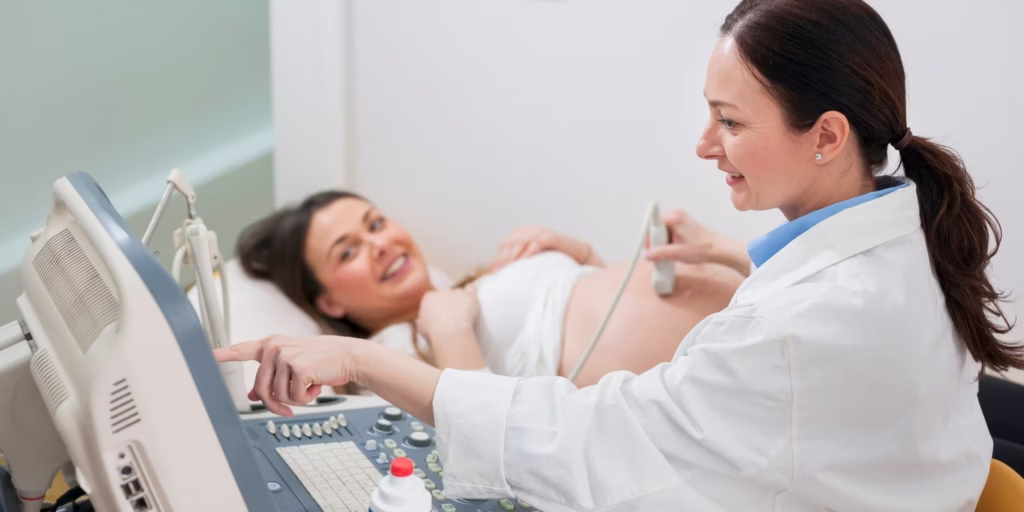
Hearing your doctor describe your pregnancy as “high-risk” can be a frightening and overwhelming experience. The term itself sounds alarming, often conjuring up worst-case scenarios. However, in the medical field, “high-risk” does not mean that something is guaranteed to go wrong. It simply means that you or your baby have an increased chance of experiencing health problems during the pregnancy, delivery, or postpartum period, and therefore, you require closer monitoring and specialized care.
A high-risk designation is a proactive measure. It is the medical system’s way of ensuring that you receive the exact level of attention, testing, and expertise needed to mitigate those risks and achieve the best possible outcome: a healthy mother and a healthy baby.
This comprehensive guide is designed to demystify the concept of a high-risk pregnancy. We will explore the various factors that can lead to this classification, detail the specific conditions that require specialized management, explain how your prenatal care will differ from a routine pregnancy, and provide actionable advice on how to navigate this journey with confidence and peace of mind.
Section 1: What Makes a Pregnancy High-Risk?
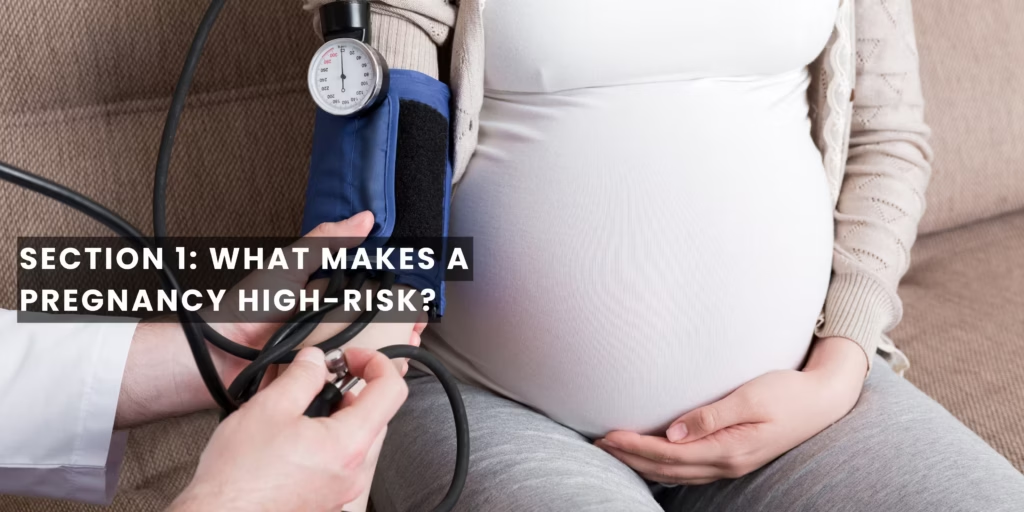
A pregnancy can be classified as high-risk for a multitude of reasons. These factors generally fall into four main categories: maternal age, pre-existing medical conditions, conditions that develop during pregnancy, and issues related to the pregnancy itself.
1. Maternal Age
Age is one of the most common reasons for a high-risk designation.
- Advanced Maternal Age (AMA): Women who will be 35 or older at their estimated due date are considered to be of advanced maternal age, as defined by ACOG. While many women in their late 30s and 40s have perfectly healthy pregnancies, the risk of certain complications—such as chromosomal abnormalities (like Down syndrome), gestational diabetes, preeclampsia, and miscarriage—increases with age.
- Teen Pregnancy: Pregnant teenagers (under age 17) are also at a higher risk for complications, including high blood pressure, anemia, and premature labor, often due to a combination of biological immaturity and socioeconomic factors.
2. Pre-Existing Medical Conditions
If you have a chronic health condition before you become pregnant, it can affect the pregnancy, and the pregnancy can, in turn, affect your condition. Common pre-existing conditions that require high-risk management include:
- Chronic Hypertension (High Blood Pressure): Increases the risk of preeclampsia, placental abruption, and restricted fetal growth.
- Diabetes (Type 1 or Type 2): Poorly controlled blood sugar before and during early pregnancy increases the risk of birth defects, miscarriage, and a very large baby (macrosomia).
- Autoimmune Diseases: Conditions like lupus or multiple sclerosis can increase the risk of preterm birth and preeclampsia.
- Thyroid Disease: Both overactive and underactive thyroids need careful management to prevent complications for both mother and baby.
Heart, Kidney, or Lung Disease: These conditions put extra strain on the body, which is compounded by the physical demands of pregnancy. - Obesity: A Body Mass Index (BMI) of 30 or higher increases the risk of gestational diabetes, preeclampsia, sleep apnea, and the need for a C-section.
3. Conditions That Develop During Pregnancy
Sometimes, a woman begins her pregnancy perfectly healthy, but develops a condition as the pregnancy progresses.
- Preeclampsia: A serious blood pressure condition that develops after week 20. It can damage maternal organs (like the liver and kidneys) and restrict blood flow to the placenta.
- Gestational Diabetes: A type of diabetes that develops only during pregnancy. It requires careful diet management and sometimes medication to prevent the baby from growing too large.
- Placenta Previa: A condition where the placenta partially or completely covers the cervix, which can cause severe bleeding during pregnancy or delivery.
4. Pregnancy-Specific Factors
- Multiple Gestation: Carrying twins, triplets, or more automatically makes a pregnancy high-risk due to the significantly increased chance of premature labor, gestational diabetes, and preeclampsia.
- History of Pregnancy Complications: If you have had a previous premature birth, a history of recurrent miscarriages, or a previous pregnancy with preeclampsia, your current pregnancy will be closely monitored.
Section 2: How High-Risk Prenatal Care is Different
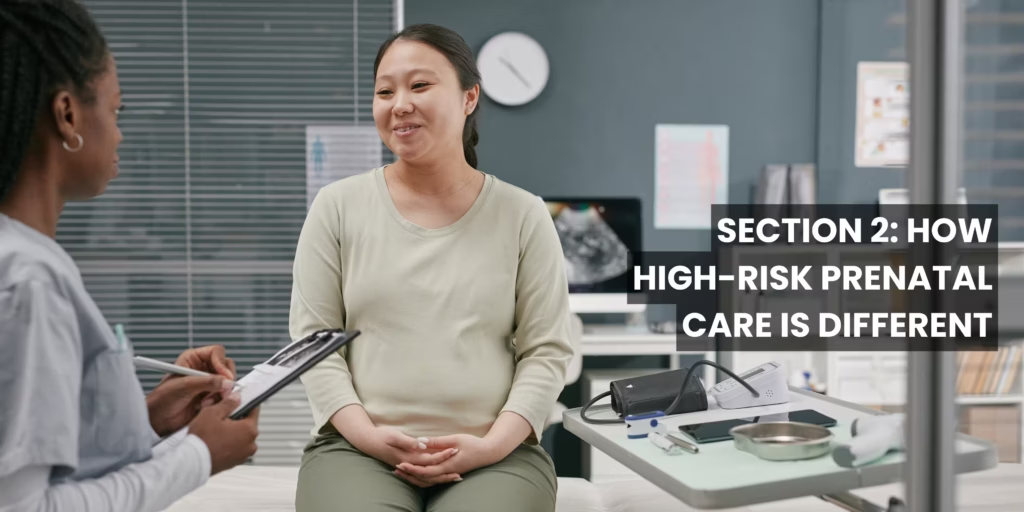
If your pregnancy is high-risk, your prenatal care will look different from the standard schedule outlined in our Complete Guide to Prenatal Care. The focus shifts to intense, proactive monitoring.
More Frequent Appointments
Instead of seeing your OBGYN every four weeks during the first two trimesters, you may be seen every two weeks, or even weekly, depending on your specific condition.
Specialized Testing and Monitoring
You will likely undergo more frequent and specialized tests to monitor your health and your baby’s development:
- Targeted Ultrasounds: You may have more frequent ultrasounds to closely track fetal growth, check the amniotic fluid levels, and monitor the blood flow through the umbilical cord (Doppler ultrasound).
- Non-Stress Tests (NST): A common test in the third trimester that monitors the baby’s heart rate in response to their own movements to ensure they are getting enough oxygen.
Biophysical Profile (BPP): Combines an NST with an ultrasound to evaluate the baby’s breathing, movement, muscle tone, and amniotic fluid volume. - Frequent Blood and Urine Tests: To closely monitor conditions like diabetes, kidney function, or preeclampsia.
The Role of the Maternal-Fetal Medicine (MFM) Specialist
In many high-risk cases, your OBGYN will co-manage your care with a Maternal-Fetal Medicine specialist (also known as a perinatologist). An MFM is an obstetrician who has completed an additional two to three years of fellowship training in the diagnosis, treatment, and management of complex pregnancy complications. They are the experts in high-risk obstetrics.
Section 3: Managing Specific High-Risk Conditions

Let’s look closer at how two of the most common high-risk conditions are managed.
Managing Preeclampsia
Preeclampsia is characterized by high blood pressure and signs of damage to another organ system, most often the liver and kidneys. It usually begins after 20 weeks of pregnancy.
- Monitoring: You will have frequent blood pressure checks and urine tests to check for protein.
- Management: Mild preeclampsia may be managed with careful monitoring, reduced activity, and sometimes blood pressure medication.
- The Cure: The only definitive cure for preeclampsia is delivery. If the condition becomes severe, your doctor may need to induce labor early to protect your life and the baby’s life.
Managing Gestational Diabetes
Gestational diabetes occurs when your body cannot produce enough insulin to handle the increased demands of pregnancy, leading to high blood sugar. For a deep dive into this condition, read our companion article: Gestational Diabetes: What It Is and How It’s Managed.
- Monitoring: You will need to check your blood sugar levels several times a day using a home monitor.
- Management: The first line of treatment is a strict, carbohydrate-controlled diet and regular exercise. If diet alone is not enough, you may need to take oral medication or insulin injections.
Section 4: Taking Care of Yourself Emotionally

The physical demands of a high-risk pregnancy are significant, but the emotional toll can be equally heavy. The constant monitoring, the fear of complications, and the potential for a premature delivery can cause severe anxiety and stress.
- Build a Support System: Lean on your partner, family, and friends. Do not try to carry the emotional weight alone.
- Communicate with Your Care Team: Be honest with your OBGYN and MFM about your fears. They can provide reassurance, explain the data, and connect you with mental health professionals who specialize in perinatal anxiety.
- Focus on What You Can Control: You cannot control your age or a pre-existing condition, but you can control your diet, your adherence to your medication schedule, and your attendance at your prenatal appointments. Focus your energy there.
A high-risk pregnancy requires a highly skilled, compassionate, and vigilant medical team. At East Coast OBGYN, our obstetricians are experienced in managing complex pregnancies and work closely with top Maternal-Fetal Medicine specialists to ensure you receive the highest standard of care. We are committed to guiding you safely through the challenges of a high-risk pregnancy, providing the expertise and support you need to welcome a healthy baby. If you have a pre-existing condition or have been told your pregnancy is high-risk, schedule an obstetrical care appointment at our Brooklyn or Manhattan clinic today.