
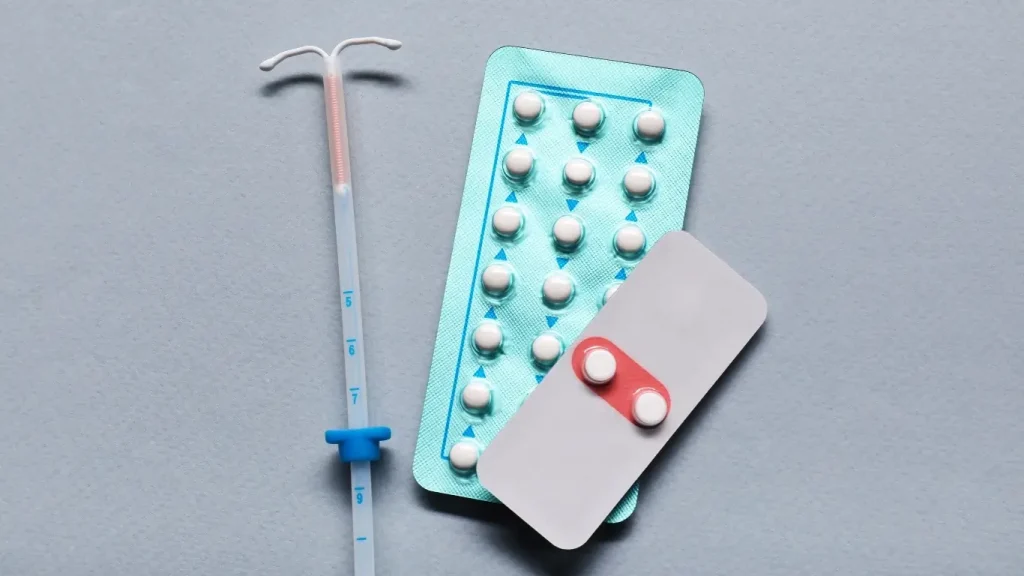
Choosing a birth control method is a deeply personal and significant health decision. In today’s world, women have more options than ever before, from the daily oral contraceptive pill to long-acting reversible contraceptives (LARCs) like the IUD, which can last for up to a decade. This abundance of choice is empowering, but it can also be overwhelming. The “best” method is not a one-size-fits-all prescription; it is the one that aligns seamlessly with your unique body, lifestyle, health history, and reproductive goals.
This guide is designed to be the most comprehensive resource available to help you navigate this decision. We will go beyond a simple list of options. We will delve into the science of how each method works, provide a detailed comparison of their effectiveness and side effects, address the most common myths and concerns, and offer a clear framework to help you have a more productive and informed conversation with your healthcare provider.
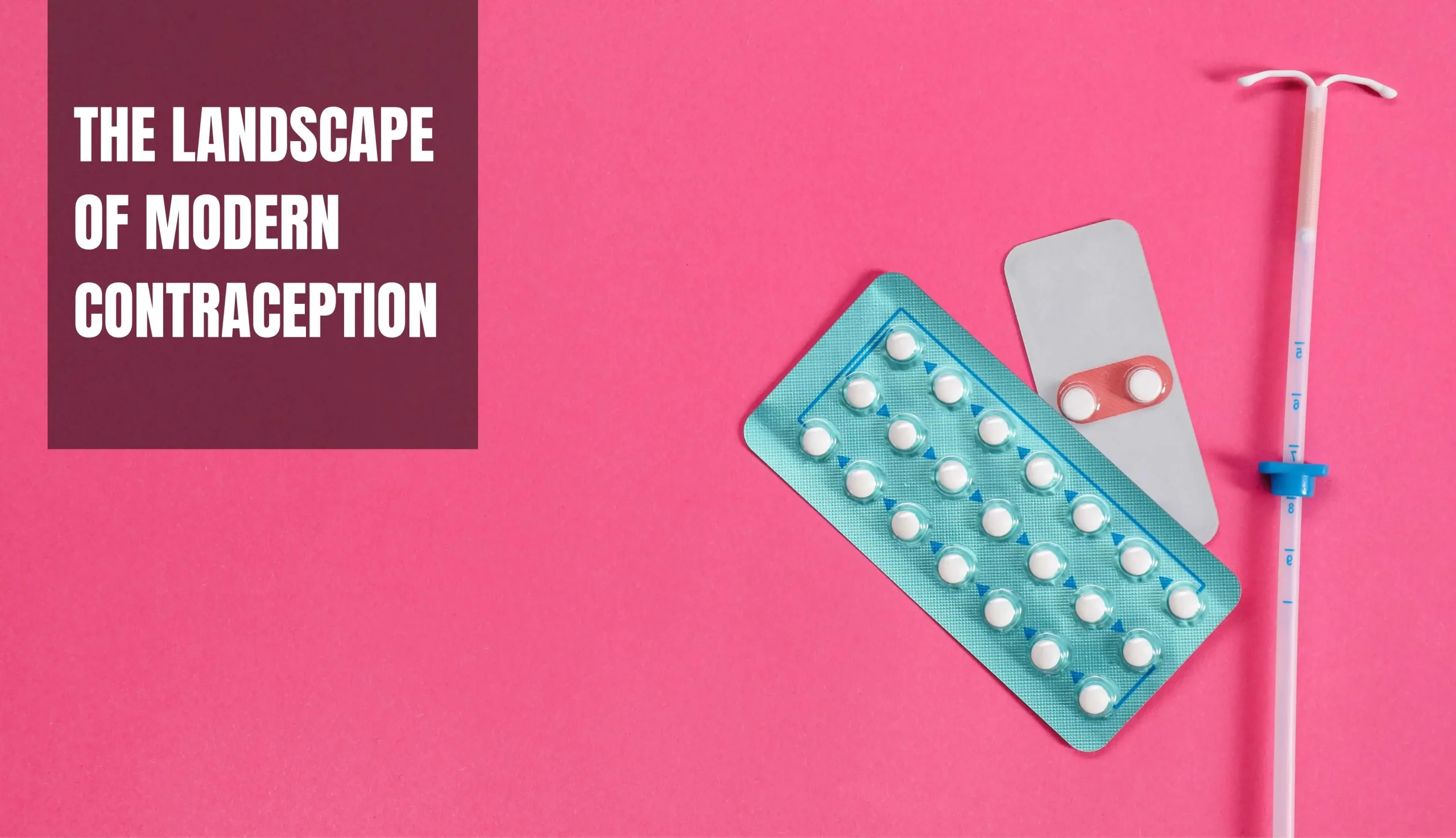
Section 1: The Landscape of Modern Contraception
Understanding the different categories of birth control is the first step to narrowing down your choices. Methods are generally grouped by their mechanism of action and how they are used.
| Category | How It Works | Effectiveness (Typical Use) | Examples |
|---|---|---|---|
| Long-Acting Reversible Contraceptives (LARCs) | “Set it and forget it.” Inserted by a doctor and provides continuous protection for years. | >99% | Hormonal IUDs, Copper IUD, The Implant |
| Short-Acting Hormonal Methods | User-dependent; requires taking an action daily, weekly, or monthly. Primarily works by stopping ovulation. | 91-96% | The Pill, The Patch, The Ring, The Shot |
| Barrier Methods | Used every time you have sex. Physically blocks sperm from reaching the egg. | 79-87% | Condoms, Diaphragms, Cervical Caps, Sponges |
| Fertility Awareness-Based Methods (FABMs) | Tracking your cycle to identify fertile days and avoiding intercourse or using a barrier method on those days. | 76-88% | Calendar Method, Temperature Method, Cervical Mucus Method |
| Permanent Methods | Surgical procedures for individuals who are certain they do not want future pregnancies. | >99% | Tubal Ligation, Vasectomy (for men) |
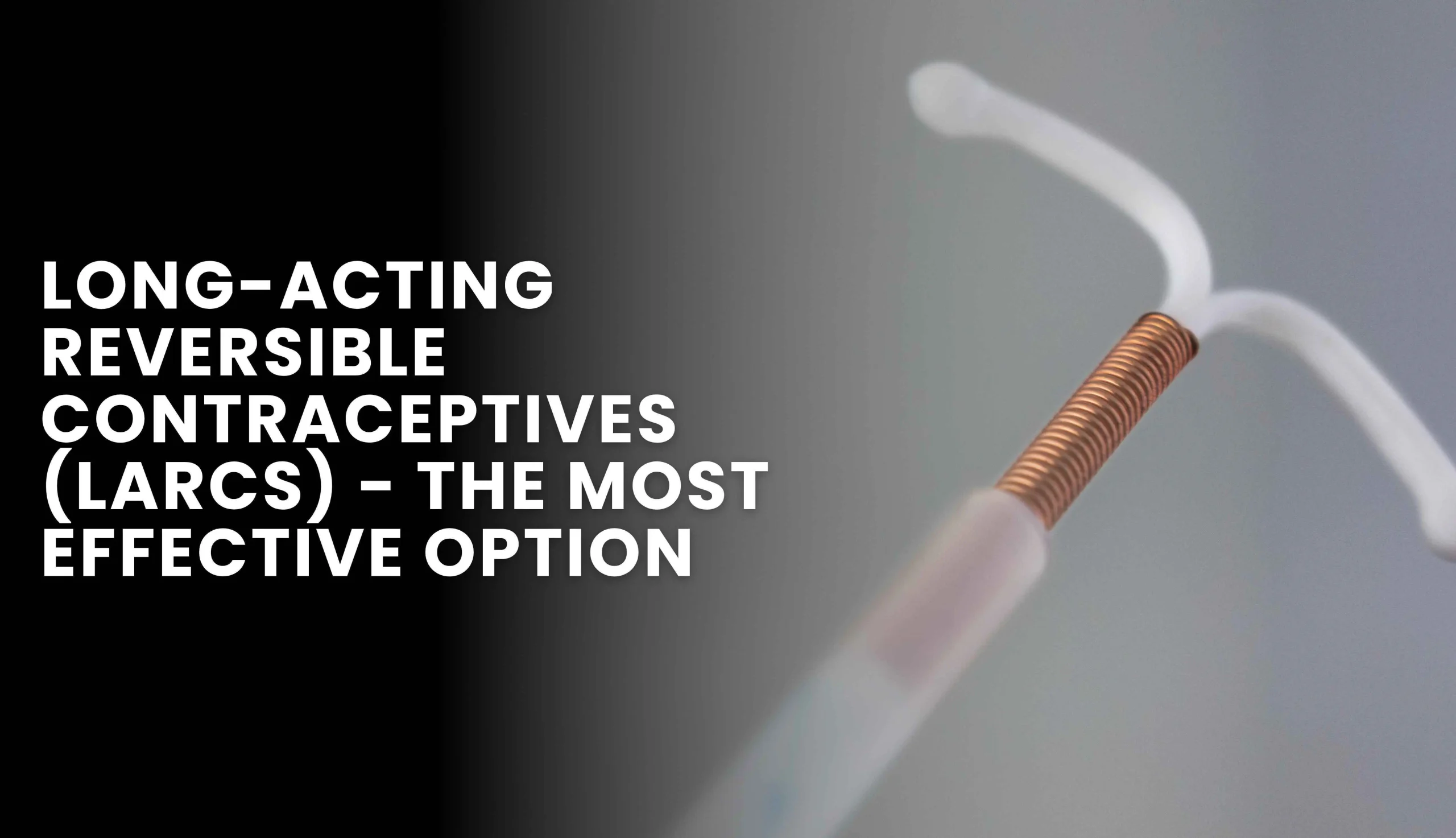
Section 2: Long-Acting Reversible Contraceptives (LARCs) – The Most Effective Option
LARCs have revolutionized contraception. Their exceptional effectiveness rates are due to the fact that they remove the potential for human error. Once in place, they work continuously without you having to think about them.
The Intrauterine Device (IUD)
An IUD is a small, T-shaped device that is inserted into your uterus by a healthcare provider during a simple in-office procedure.
- Hormonal IUDs (Mirena, Kyleena, Liletta, Skyla): These IUDs release a small, steady amount of the hormone progestin directly into the uterus. This thickens cervical mucus to block sperm, thins the uterine lining to prevent implantation, and can sometimes prevent ovulation.
- Pros: Last for 3 to 8 years, depending on the brand. They are highly effective and often make periods significantly lighter, less crampy, or even stop them altogether, making them an excellent treatment for heavy menstrual bleeding.
- Cons: Can cause irregular bleeding or spotting, especially in the first 3-6 months. The insertion can be uncomfortable or painful for some women.
- The Copper IUD (Paragard): This is the only 100% hormone-free LARC. The device is wrapped in a thin copper wire, which creates a local inflammatory reaction in the uterus that is toxic to sperm and eggs.
- Pros: Lasts for up to 10 years. It is an excellent option for women who cannot or do not want to use hormonal methods. It can also be used as a highly effective form of emergency contraception if inserted within five days of unprotected sex.
- Cons: It can make periods heavier and more crampy, particularly in the first year of use.
The Contraceptive Implant (Nexplanon)
The implant is a small, flexible plastic rod, about the size of a matchstick, that is inserted just under the skin of your upper arm. It releases a steady dose of progestin to prevent ovulation.
- Pros: Lasts for up to 3 years. It is discreet and just as effective as an IUD.
- Cons: The most common side effect is unpredictable and irregular menstrual bleeding. The insertion and removal are minor in-office procedures.

Section 3: Short-Acting Hormonal Methods – More User Control
These methods are also highly effective when used perfectly, but their typical-use effectiveness rates are lower due to the potential for human error (e.g., forgetting a pill).
- The Combination Pill: Contains both estrogen and progestin. It works by preventing ovulation. Most are taken for 21 days, followed by a 7-day placebo week to allow for a withdrawal bleed.
- The Progestin-Only Pill (Minipill): Contains only progestin. It must be taken at the same time every day to be effective. It works by thickening cervical mucus.
- The Patch (Xulane, Twirla): A patch worn on the skin that is changed weekly.
- The Vaginal Ring (NuvaRing, Annovera): A flexible ring inserted into the vagina that is replaced monthly or annually.
- The Shot (Depo-Provera): An injection of progestin given by a healthcare provider every three months.
Section 4: A Framework for Your Decision
Choosing the right method requires a thoughtful evaluation of your personal priorities. Consider these key factors:
- Effectiveness vs. Control: Are you looking for the absolute highest level of pregnancy prevention (a LARC), or are you comfortable with a method that you control on a daily or monthly basis?
- Hormones vs. Non-Hormonal: Do you have a medical reason to avoid estrogen (e.g., a history of blood clots, certain migraines)? Or do you simply prefer a hormone-free option? The copper IUD and barrier methods are your main non-hormonal choices.
- Impact on Your Period: Would you prefer to have a lighter period, no period at all, or a regular, predictable monthly bleed? Hormonal IUDs often lead to lighter periods, while the pill, patch, and ring provide predictable bleeds. The copper IUD may make periods heavier.
- Convenience and Lifestyle: Will you remember to take a pill every day? Are you comfortable with a procedure like an IUD insertion? Is it important that your method be discreet?
- Future Reproductive Plans: How soon, if ever, do you plan on becoming pregnant? LARCs are easily reversible, but if you are planning a pregnancy in the next year, a short-acting method might be more convenient.

Section 5: The Conversation with Your Doctor
This guide is a starting point. The final and most crucial step is a detailed conversation with your OBGYN. Your doctor will:
- Review Your Medical History: To ensure there are no contraindications to any methods.
- Discuss Your Priorities: To understand what is most important to you in a birth control method.
- Answer Your Specific Questions: To address any remaining concerns or fears you may have.
- Perform an Exam: If you choose an IUD, your doctor will perform a pelvic exam and insertion.
Making an informed choice about contraception is a cornerstone of women’s healthcare. It allows you to control your reproductive future and manage your health on your own terms. The team at East Coast OBGYN is dedicated to providing comprehensive, non-judgmental contraceptive counseling. We are here to listen to your needs and help you find a method that you are comfortable and confident with. Schedule a gynecological care appointment at our Brooklyn or Flushing clinic to begin the conversation.