
Sexual health is an integral component of your overall health and well-being. Yet, for many women, discussing sexually transmitted diseases (STDs), or sexually transmitted infections (STIs), is fraught with anxiety and embarrassment. This reluctance is understandable, but it creates a dangerous silence around a critical health issue. The truth is, routine STD testing is not a reflection of your character; it is a fundamental, responsible, and empowering act of self-care.
Many STIs are a “silent” epidemic, causing no noticeable symptoms in their early, most treatable stages. This is why proactive testing is so crucial. The only way to truly know your status is to get tested. This definitive guide is designed to break the silence. We will provide a comprehensive overview of the most common STIs, explain the testing process in detail, debunk dangerous myths, and empower you to have open, honest conversations with your healthcare provider.
Section 1: Why Routine STD Testing is Non-Negotiable for Your Long-Term Health
Understanding the potential consequences of untreated STIs is the first step to appreciating the importance of routine screening. An infection that is easily curable with a simple course of antibiotics can, if left undetected, lead to irreversible damage.
The Threat of Pelvic Inflammatory Disease (PID)
This is one of the most serious complications of untreated chlamydia and gonorrhea. The bacteria travel from the vagina up into the reproductive organs, causing a severe infection of the uterus, fallopian tubes, and ovaries. PID can lead to the formation of scar tissue and abscesses, resulting in chronic pelvic pain and, most devastatingly, infertility.
Infertility and Ectopic Pregnancy
The scarring caused by PID can block the fallopian tubes, making it impossible for an egg to travel to the uterus to be fertilized. This is known as tubal factor infertility, and it is a preventable tragedy. Furthermore, if an egg is fertilized but cannot pass through the scarred tube, it may implant in the tube itself, resulting in a life-threatening ectopic pregnancy.
Cervical Cancer and HPV
Virtually all cases of cervical cancer are caused by high-risk strains of the Human Papillomavirus (HPV). Regular Pap tests, which detect cellular changes caused by HPV, and HPV tests themselves are the most effective tools we have to prevent this deadly cancer.
Pregnancy and Newborn Complications
STIs can be passed from a mother to her baby during pregnancy or childbirth (congenital transmission). This can lead to serious health problems for the newborn, including pneumonia, eye infections, blindness, and neurological damage. All pregnant women are routinely screened for this reason.
Section 2: A Detailed Guide to Common STIs
Knowledge is power. Understanding the specific infections, their symptoms (or lack thereof), and their treatments can help demystify the topic.
| STI | Type | Common Symptoms in Women | Testing Method | Treatment |
|---|---|---|---|---|
| Chlamydia | Bacterial | Often asymptomatic. Can cause abnormal vaginal discharge, burning with urination. | Urine test or vaginal swab | Curable with antibiotics. |
| Gonorrhea | Bacterial | Often asymptomatic. Can cause vaginal discharge, pelvic pain, pain with urination. | Urine test or vaginal swab | Curable with antibiotics (though antibiotic resistance is a growing concern). |
| Trichomoniasis | Parasitic | Frothy, foul-smelling vaginal discharge; itching and irritation. | Vaginal swab | Curable with a single dose of antibiotics. |
| HPV | Viral | Often asymptomatic. Some strains cause genital warts; high-risk strains can cause cervical cancer. | Pap test detects cell changes; HPV test detects the virus itself. | No cure for the virus, but the body often clears it. Warts and cell changes are treatable. Vaccination is highly effective for prevention. |
| Herpes (HSV-1, HSV-2) | Viral | Painful blisters or sores on the genitals or mouth. Many people are asymptomatic. | Swab of an active sore is most accurate. Blood tests can detect antibodies but have limitations. | Not curable, but antiviral medications can manage outbreaks and reduce transmission. |
| HIV | Viral | Early symptoms can be flu-like. Can be asymptomatic for years. | Blood test or oral swab | Not curable, but highly effective antiretroviral therapy (ART) can control the virus, allowing for a long, healthy life and preventing transmission. |
| Syphilis | Bacterial | Primary stage: a single, painless sore (chancre). Secondary stage: rash, fever. Can become latent for years before causing severe damage. | Blood test | Curable with penicillin, especially in early stages. |
Section 3: The Testing Process – What to Expect
Knowing what to expect can significantly reduce the anxiety around getting tested.
Step 1: The Conversation with Your Doctor This is the most important step. Your annual well-woman exam is the perfect time to bring this up. Be direct and unembarrassed. Simply saying, “I would like to be tested for STDs today,” is all that’s needed. Your doctor will likely ask a few confidential questions about your sexual history to determine which tests are right for you. This is a judgment-free conversation focused solely on your health.
Step 2: Sample Collection
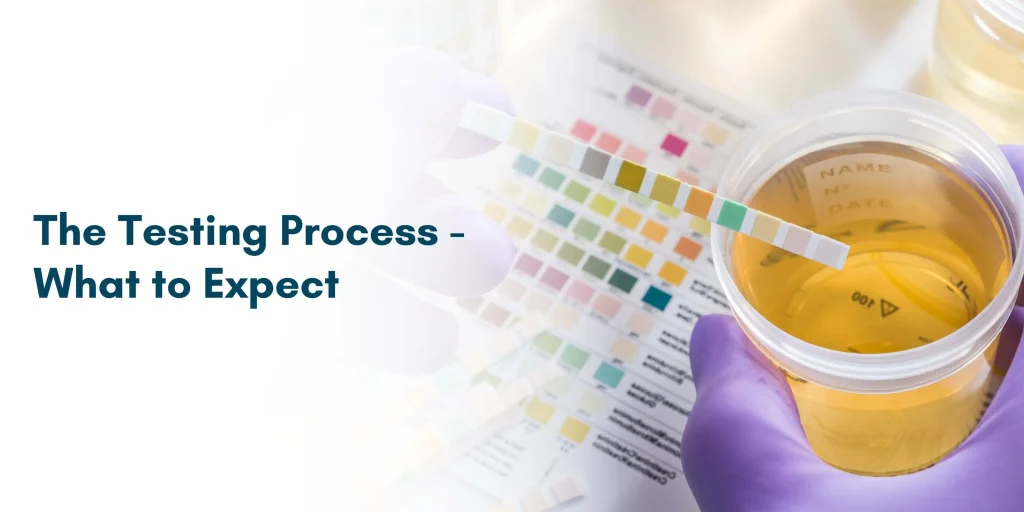
- Urine Sample: For chlamydia and gonorrhea, this is the most common method. It’s simple and non-invasive.
- Vaginal Swab: Also used for chlamydia, gonorrhea, and trichomoniasis. In many cases, your doctor can allow you to do the swab yourself in the privacy of the exam room.
- Blood Draw: Required for HIV, syphilis, and hepatitis testing.
- Pap Test: This is a screening for cervical cancer, where your doctor collects a small sample of cells from your cervix. It is often combined with an HPV test.
Step 3: Receiving Your Results Results can take anywhere from a few days to a week. You will be notified by your doctor’s office. If a test comes back positive, do not panic. The next step is a conversation about treatment. Most STIs are easily curable, and all are manageable.

Section 4: Debunking Myths and Answering Your Questions
Misinformation about STIs is rampant. Let’s clear up some common myths.
- Myth: A Pap smear tests for all STDs.
- Fact: A Pap smear is a test for cervical cancer. While it can be combined with an HPV test, it does not screen for chlamydia, gonorrhea, HIV, or other STIs.
- Myth: If I don’t have symptoms, I don’t have an STI.
- Fact: This is the most dangerous myth. The majority of common STIs are asymptomatic. You cannot know your status based on how you feel.
- Myth: I’m in a monogamous relationship, so I’m not at risk.
- Fact: It is wise for both partners to be tested at the beginning of a new relationship. If you and your partner were not tested before becoming exclusive, infections from previous partners could still be present.
- Myth: You can get an STD from a toilet seat.
- Fact: The bacteria and viruses that cause STIs are fragile and cannot live for long outside the body. They are transmitted through sexual contact, not casual contact.
Section 5: A Proactive Approach to Your Sexual Health
Testing is the cornerstone of sexual health, but it’s part of a larger strategy.
- Vaccination: The HPV vaccine (Gardasil 9) is a safe and highly effective cancer-prevention tool. It protects against the nine strains of HPV most likely to cause cervical cancer and genital warts. It is recommended for everyone up to age 26, and in some cases, up to age 45.
- Barrier Methods: Consistent and correct use of condoms is highly effective at preventing the transmission of most STIs.
- Communication: Open and honest communication with your partner(s) about sexual history and testing is a sign of maturity and mutual respect.
Your sexual health is a critical part of your life. It deserves the same attention and care as any other aspect of your well-being. At East Coast OBGYN, we are committed to providing a safe, confidential, and supportive environment where you can address all of your health concerns without fear or judgment. Take the most important step today. Schedule a gynecological care appointment at our Brooklyn or Flushing clinic to discuss your sexual health and get the peace of mind you deserve.