

The decision to start a family is one of the most significant moments in a person’s life. While much attention is given to the nine months of pregnancy, the period before conception is a critical window of opportunity to optimize your health for a smooth pregnancy and a healthy baby. This is the essence of preconception health—taking proactive steps to get your body ready for the journey ahead.
Preconception care is about creating the best possible environment for a new life to begin. It involves making conscious choices about your diet, lifestyle, and overall wellness to improve your fertility, reduce the risk of pregnancy complications, and support your baby’s development from day one. Whether you plan to conceive next month or next year, it’s never too early to start.
The Foundations of Preconception Wellness
Think of this period as training for a marathon. You wouldn’t just show up on race day without preparation, and the same principle applies to pregnancy. Here are the key areas to focus on.
Start Taking Folic Acid
This is one of the most important steps you can take. Folic acid is a B vitamin that is crucial for the development of the neural tube, which becomes the baby’s brain and spinal cord. Since the neural tube forms in the first few weeks of pregnancy—often before a woman even knows she’s pregnant—it’s essential to have adequate levels of folic acid in your system from the very beginning. The Centers for Disease Control and Prevention (CDC) recommends that all women of reproductive age take 400 micrograms (mcg) of folic acid daily.
Achieve a Healthy Weight
Being at a healthy weight before you conceive can have a significant impact on your fertility and pregnancy. Being either underweight or overweight can disrupt hormonal balance and lead to irregular ovulation, making it more difficult to get pregnant. Furthermore, obesity during pregnancy is linked to a higher risk of complications such as gestational diabetes, preeclampsia, and the need for a C-section. A balanced diet and regular, moderate exercise are your best tools for achieving a healthy weight.
Focus on a Nutrient-Rich Diet
Your diet provides the building blocks for your future baby. Focus on a balanced intake of:
- Lean Proteins: Fish, poultry, beans, and lentils.
- Whole Grains: Brown rice, quinoa, and oats.
- Fruits and Vegetables: A colorful variety to ensure a wide range of vitamins and antioxidants.
- Healthy Fats: Avocados, nuts, and olive oil.
At the same time, it’s wise to limit processed foods, sugary drinks, and excessive caffeine. You should also avoid fish high in mercury, such as shark, swordfish, and king mackerel.
Review Your Lifestyle and Habits
Honest self-assessment is key. Habits that may be detrimental to a pregnancy should be addressed before you start trying to conceive.
- Smoking: Smoking is linked to infertility, miscarriage, premature birth, and low birth weight. Quitting is one of the best things you can do for your and your baby’s health.
- Alcohol: There is no known safe amount of alcohol during pregnancy. Since you won’t know you’re pregnant right away, it’s best to stop drinking alcohol when you start trying to conceive.
- Stress Management: Chronic stress can affect the hormones that regulate your menstrual cycle. Incorporate stress reducing activities into your daily routine, such as yoga, meditation, gentle exercise, or simply spending time in nature.
The Importance of a Preconception Check-Up
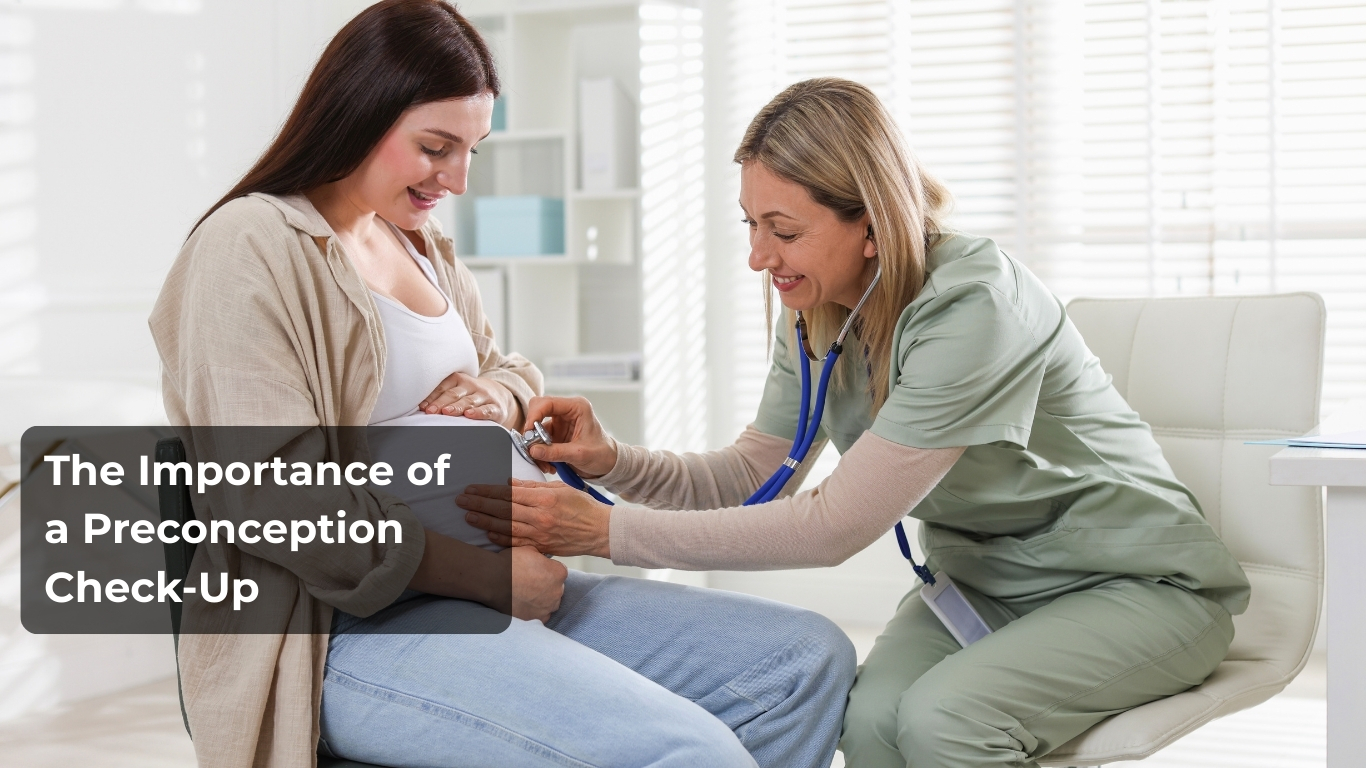
One of the most valuable steps in this process is to schedule a preconception consultation at our Brooklyn or Flushing clinic. This visit with an OBGYN is an opportunity to create a personalized health plan based on your unique medical history and circumstances.
During this check-up, your doctor will likely:
- Review Your Medical History: This includes any chronic conditions like diabetes, high blood pressure, or thyroid disorders that need to be well-managed before pregnancy.
- Discuss Your Family History: To identify any genetic conditions that may require screening or counseling.
- Update Vaccinations: Ensure you are up-to-date on crucial vaccines like measles, mumps, and rubella (MMR), as contracting these illnesses during pregnancy can be dangerous.
- Review Medications: Discuss any prescription or over-the-counter medications you are taking to ensure they are safe for pregnancy.
This visit is more than just a medical appointment; it’s a partnership. It’s a chance to ask questions, voice concerns, and feel confident that you are doing everything you can to prepare for a healthy pregnancy. Our team is dedicated to providing comprehensive obstetrics care from conception through delivery, and that journey begins long before a positive pregnancy test.
By taking these proactive steps, you are not just preparing your body for pregnancy—you are laying the foundation for a lifetime of health for your child. It’s a profound act of love that starts now.