
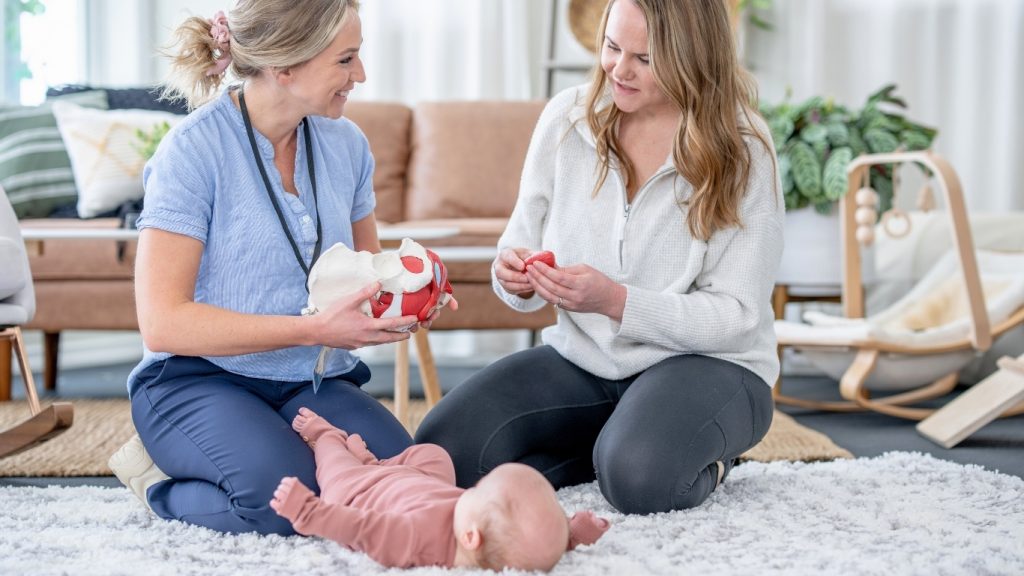
After nine months of pregnancy and the marathon of childbirth, a new mother’s focus naturally shifts to her newborn. Amid the joy, exhaustion, and endless cycle of feeding and changing, her own physical recovery can often take a backseat. While some postpartum changes are expected, others—like urinary incontinence or pelvic pain—are often silently endured, mistaken as a permanent “new normal.”
These are frequently signs of postpartum pelvic floor dysfunction, a common but treatable condition. Understanding your pelvic floor and how to care for it after delivery is one of the most important, yet overlooked, aspects of postpartum recovery. It’s the key to regaining comfort, confidence, and long-term wellness.
What Is the Pelvic Floor and Why Does It Matter? The pelvic floor is a sophisticated network of muscles, ligaments, and connective tissues that form a supportive sling at the base of your pelvis. It has several crucial functions:
- Support: It holds your pelvic organs—the bladder, uterus, and rectum—in place.
- Continence: It controls the sphincters of the bladder and rectum, allowing you to control urination and bowel movements.
- Sexual Function: It plays a role in sexual sensation and arousal
- Stability: It works with your deep abdominal and back muscles to stabilize your spine and pelvis.
Pregnancy and childbirth put immense strain on this muscular sling. The weight of the growing baby, the hormonal changes that soften tissues, and the physical stress of delivery (whether vaginal or C-section) can stretch, weaken, or injure these muscles.
Common Signs of Postpartum Pelvic Floor Issues
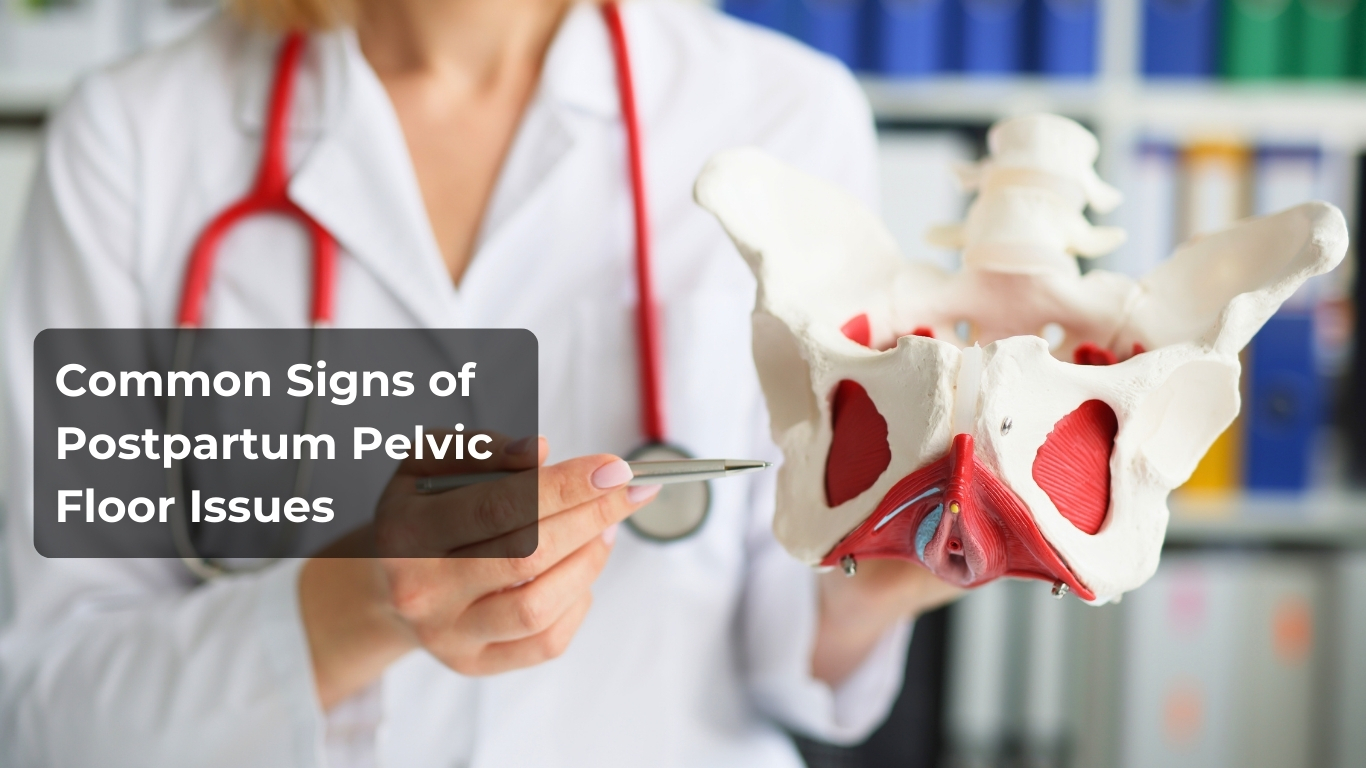
While some degree of weakness is normal immediately after birth, persistent symptoms that last for months are a sign that your pelvic floor needs attention. Common issues include:
Stress Urinary Incontinence (SUI):
Leaking urine when you cough, sneeze, laugh, or lift something heavy. This is the most common symptom and is caused by a weakened urethral sphincter.
Pelvic Organ Prolapse (POP):
When the pelvic organs descend from their normal position, creating a feeling of heaviness, bulging, or pressure in the vagina. It may feel like you are “sitting on a ball.
Pelvic Pain:
This can include pain in the perineum (the area between the vagina and rectum), pain during intercourse (dyspareunia), or a general, persistent ache in the pelvic region.
Fecal Incontinence:
Difficulty controlling gas or bowel movements.
Reduced Sensation:
A feeling of “looseness” or decreased sensation during sexual activity.
For too long, women have been told that these issues are simply the price of motherhood. This is not true. These are medical conditions that can and should be treated.
The Path to Recovery: Healing Your Pelvic Floor_n
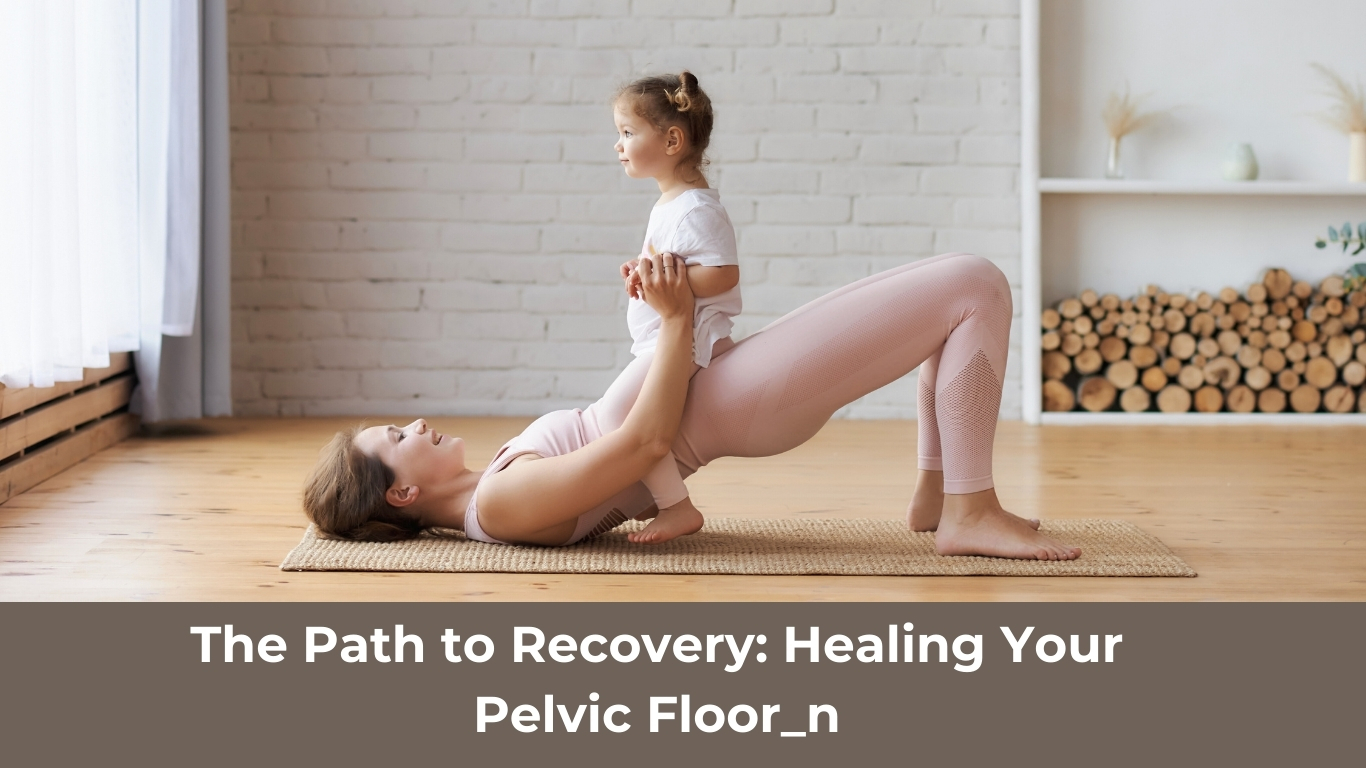
Recovery is not passive; it requires proactive care. The first step is often gentle rehabilitation at home, but knowing when to seek professional help is crucial.
- Kegel Exercises (Done Correctly): Kegels are exercises designed to strengthen the pelvic floor muscles. However, many women perform them incorrectly, which can be ineffective or even counterproductive. The key is to isolate the correct muscles—the ones you would use to stop the flow of urine midstream. A physical therapist or your OBGYN can ensure you are doing them effectively
- Rest and Gentle Movement: In the early postpartum weeks, your body needs rest. Avoid heavy lifting and high-impact exercise. Gentle walks can help promote blood flow and healing. As you get stronger, you can gradually reintroduce more strenuous activities, always listening to your body
- Focus on Core Strength: The pelvic floor is part of your deep core system. Exercises that engage the transverse abdominis (your deepest abdominal muscle) can help provide support for the pelvic floor as it heals.
When to Seek Professional Evaluation and Treatment
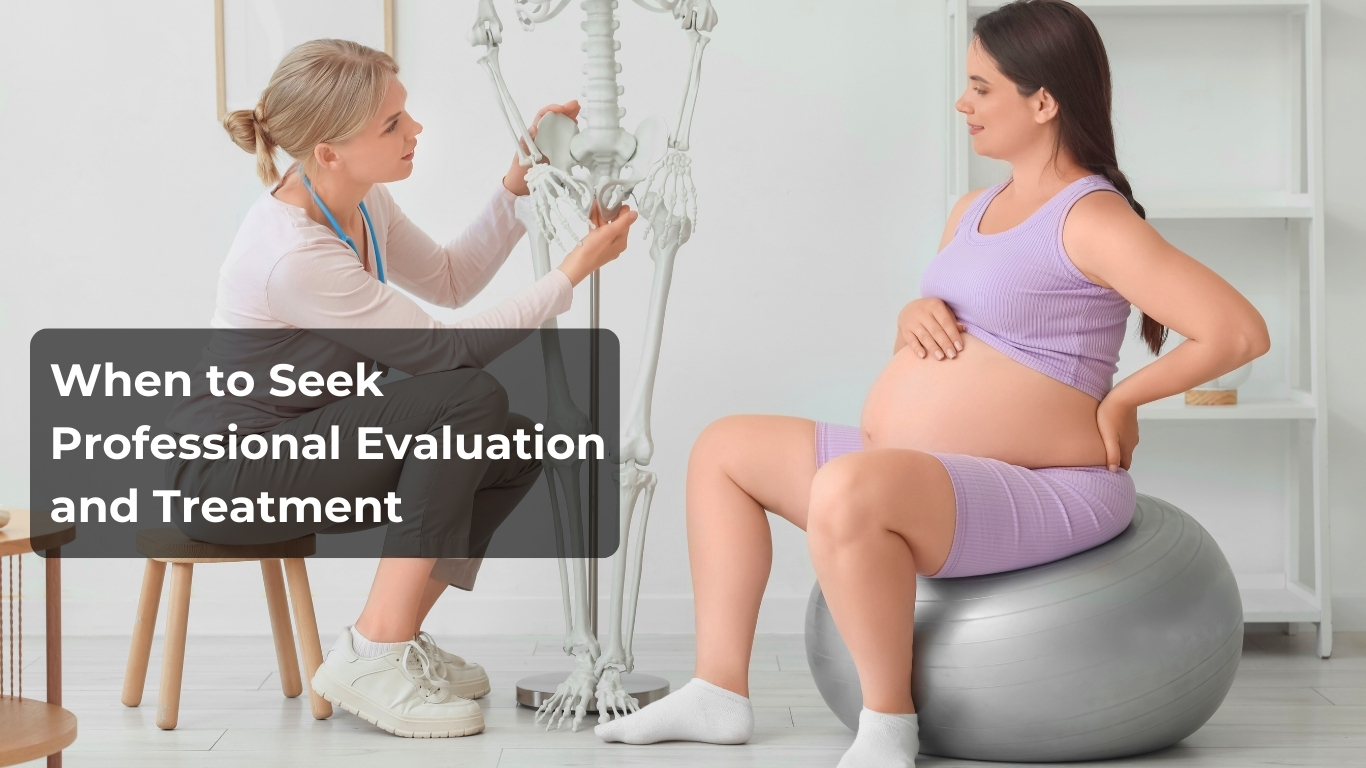
If your symptoms persist beyond the initial postpartum months, or if they are significantly impacting your quality of life, it is time to consult a specialist. You do not have to live with incontinence or pain. Our team can evaluate and address pelvic floor concerns with compassion and expertise.
A professional evaluation will determine the specific nature of your pelvic floor dysfunction. Based on this assessment, a range of treatments can be recommended. For many women, pelvic floor physical therapy is a highly effective, non-invasive treatment. A specialized physical therapist can provide a tailored program of exercises and techniques to restore muscle function.
In cases where conservative treatments are not enough, or for more significant issues like moderate to severe prolapse, other options are available. At East Coast OBGYN, we offer both non-surgical and surgical options for pelvic floor restoration. These advanced treatments are designed to repair tissues, restore organ support, and improve both function and comfort. The goal is to provide a solution that aligns with your lifestyle, health goals, and personal preferences.
Your postpartum journey is about more than just caring for your baby; it’s also about caring for yourself. Addressing pelvic floor health is a vital part of that process. By breaking the silence around these common issues and seeking the right care, you can heal, regain strength, and enjoy motherhood to the fullest—with confidence and without compromise.