
For many women, symptoms like pelvic pain, heavy bleeding, and irregular periods are a disruptive and often painful part of life. Too often, these issues are dismissed as “normal” or something to be endured. However, they can be signs of common but complex gynecological conditions such as uterine fibroids, endometriosis, and Polycystic Ovary Syndrome (PCOS). While they share some overlapping symptoms, these are distinct conditions that require accurate diagnosis and specialized care.
Understanding the differences is the first step toward finding the right treatment and reclaiming your quality of life. Let’s break down what each of these conditions entails.
Uterine Fibroids: The Common, Noncancerous Growths
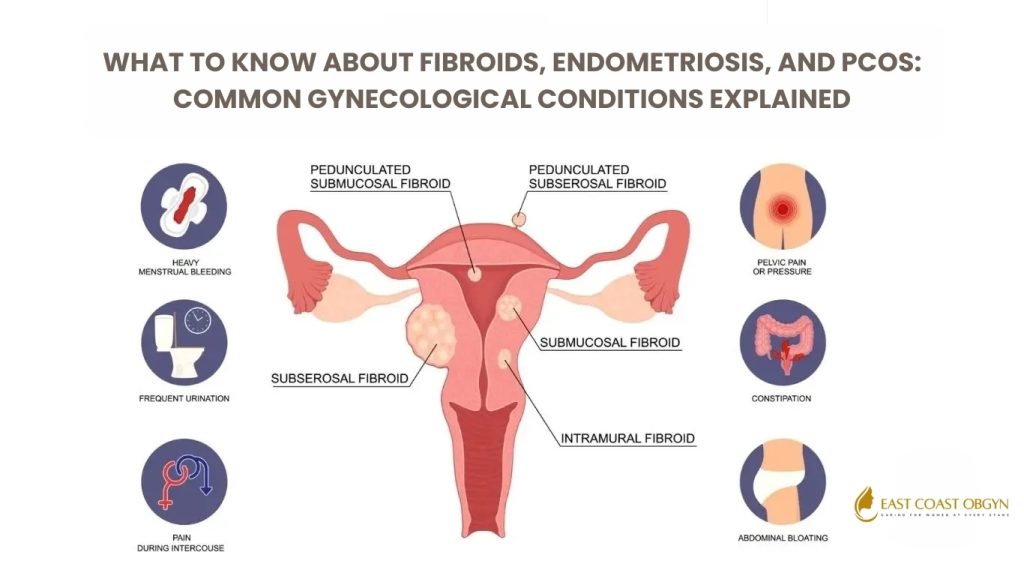
Uterine fibroids are muscular tumors that grow in the wall of the uterus. They are incredibly common—up to 80% of women will have them by age 50—and are almost always benign (noncancerous). Fibroids can range in size from a tiny seed to a large grapefruit and can be located in different parts of the uterus.
Key Symptoms of Fibroids:
- Heavy Menstrual Bleeding: This is the most common symptom, sometimes leading to anemia.
- Prolonged Periods: Menstrual periods that last more than a week.
- Pelvic Pain or Pressure: A feeling of fullness or pressure in the lower abdomen.
- Frequent Urination: Large fibroids can press on the bladder.
- Constipation: Pressure on the rectum can interfere with bowel movements.
- Backache or Leg Pains:
It’s important to note that many women with fibroids have no symptoms at all. Treatment is typically only necessary when the fibroids are causing discomfort or other complications. Options range from medications to manage symptoms to various surgical and non-surgical procedures to remove or shrink the fibroids.
Endometriosis: The “Hidden” Cause of Pain
Endometriosis is a condition where tissue similar to the lining of the uterus (the endometrium) grows outside the uterus. This misplaced tissue can be found on the ovaries, fallopian tubes, and the outer surface of the uterus, as well as on the bladder and rectum. Unlike the uterine lining, this tissue has no way to exit the body during menstruation. This leads to inflammation, scarring, and the formation of adhesions (fibrous bands of tissue that can cause organs to stick together).
Key Symptoms of Endometriosis:
- Severe Menstrual Cramps (Dysmenorrhea): Pain that is far more severe than normal menstrual cramps.
- Chronic Pelvic Pain: Pain that occurs even when not menstruating.
- Pain During or After Sex (Dyspareunia):
- Pain with Bowel Movements or Urination: Especially during menstruation.
- Infertility: Endometriosis is found in a significant percentage of women struggling with infertility.
- Gastrointestinal Issues: Such as diarrhea, constipation, and bloating, often mistaken for irritable bowel syndrome (IBS).
Diagnosing endometriosis can be challenging, as a definitive diagnosis often requires a laparoscopic surgical procedure. Treatment focuses on managing pain and, if desired, addressing infertility. This can include pain medication, hormone therapy to suppress the growth of endometrial tissue, or surgery to remove the implants.
Polycystic Ovary Syndrome (PCOS): The Hormonal and Metabolic Condition
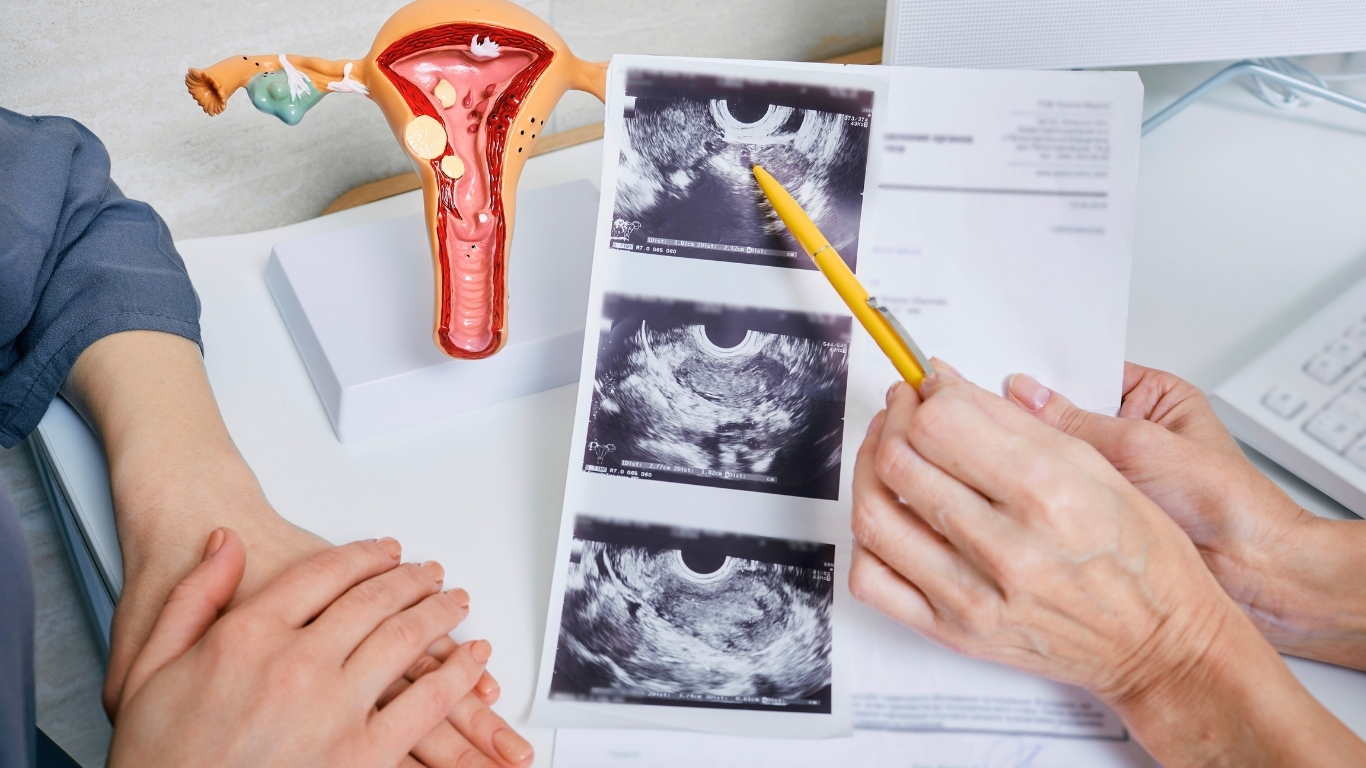
PCOS is a complex hormonal disorder that affects women of reproductive age. It is characterized by a combination of symptoms related to an imbalance of reproductive hormones. This imbalance creates problems in the ovaries, which may not develop eggs or release them regularly.
Key Symptoms of PCOS:
- Irregular Menstrual Cycles: Infrequent, irregular, or prolonged periods are the most common sign.
- Excess Androgen: Elevated levels of male hormones (androgens) may result in physical signs such as excess facial and body hair (hirsutism), severe acne, and male-pattern baldness.
- Polycystic Ovaries: The ovaries may be enlarged and contain numerous small fluid-filled sacs (follicles) that surround the eggs.
- Weight Gain: Especially difficulty losing weight.
- Insulin Resistance: Many women with PCOS have insulin resistance, which increases the risk of type 2 diabetes.
Because PCOS is a syndrome, not a disease, its management is focused on the individual’s specific concerns. This might include lifestyle changes (diet and exercise) to manage weight and insulin resistance, medications to regulate the menstrual cycle, or fertility treatments for those trying to conceive.
Getting the Right Diagnosis
Navigating these symptoms can be confusing and overwhelming. Is your heavy bleeding due to fibroids or endometriosis? Are your irregular cycles a sign of PCOS or something else? Self-diagnosis is not the answer. The key is a comprehensive evaluation by a gynecological expert.
At East Coast OBGYN, our Brooklyn clinic specializes in treating complex gynecological conditions. A thorough diagnostic process is essential and may include a detailed medical history, a pelvic exam, ultrasound imaging, and hormonal testing. This allows our team to differentiate between these conditions and develop a treatment plan tailored to your specific needs and health goals.
If you are struggling with any of these symptoms, you are not alone, and you do not have to simply endure them. Our practice is dedicated to providing advanced gynecological care that empowers women with answers and effective solutions. By seeking expert help, you can move from a place of uncertainty and pain to one of clarity, control, and well-being.